
Shane Bond, Birmingham Phoenix and the Eight-Match Trap of The Hundred
**মূল উত্তর:** শেন বন্ড ২০২৬ সালের দ্য হান্ড্রেড মৌসুমে বার্মিংহাম ফিনিক্সের প্রধান Coachের পদ থেকে বাদ পড়েছেন, কারণ দলটি আট ম্যাচে মাত্র এক জয়ে টেবিলের তলায় শেষ করেছে এবং নেট রান রেট ছিল মাইনাস ১.৩১৮। **মূল তথ্য:** - বার্মিংহাম ফিনিক্স ২০২৬ সালের দ্য হান্ড্রেডে আট ম্যাচের মধ্যে একটিতে জিতেছে, টেবিলের আট নম্বরে থেকেছে। - দলের নেট রান রেট মাইনাস ১.৩১৮, যা একপেশে পরাজয়ের ধারা নির্দেশ করে। - শেন বন্ড গত বছরের নভেম্বরে দায়িত্ব নিয়ে ২০২৭ পর্যন্ত চুক্তিতে ছিলেন, মধ্যচুক্তিতেই বাদ পড়েন। - অধিনায়ক ও সর্বোচ্চ বেতনভুক্ত খেলোয়াড় জ্যাকব বেথেল ইনজুরিতে টুর্নামেন্ট থেকে ছিটকে যান। - মুস্তাফিজুর রহমান ইনজুরির কারণে একটি বলও না খেলে টুর্নামেন্টে অংশ নেননি। - প্রতিবেদনে এক জয়-সাত হার এবং চার পয়েন্ট উভয়ই উল্লেখ থাকায় পয়েন্টের হিসাব মিলছে না। **সূত্র ও তারিখ:** মূল দাবিটি ESPNcricinfo-এর একটি অনামী প্রতিবেদন থেকে নেওয়া; স্ট্যান্ডিং ও ফলাফল দ্য হান্ড্রেড ২০২৬ মৌসুমের গ্রুপ পর্বের। বিশ্লেষণটি স্টেজ-১ টেক্সট ও স্টেজ-২ বিশ্লেষণ প্রতিবেদনের ভিত্তিতে। | Cross-checked: cricsultan.com **সম্পর্কিত প্রশ্নোত্তর:** প্রশ্ন: শেন বন্ড কত দিন বার্মিংহাম ফিনিক্সের Coach ছিলেন? উত্তর: তিনি গত বছরের নভেম্বরে দায়িত্ব নিয়েছিলেন এবং চুক্তি ছিল ২০২৭ পর্যন্ত, অর্থাৎ মধ্যচুক্তিতেই বাদ পড়েন। প্রশ্ন: দ্য হান্ড্রেডে এক জয়ের মূল্য কত পয়েন্ট? উত্তর: দ্য হান্ড্রেডে একটি জয়ে দুই পয়েন্ট, আর চার পয়েন্ট ও এক জয়-সাত হারের হিসাব মেলানোই এই ঘটনার অন্যতম ঝুঁকিপূর্ণ তথ্য। প্রশ্ন: মুস্তাফিজুর রহমানের অনুপস্থিতির প্রভাব কী ছিল? উত্তর: মূল বিদেশি পেসার ইনজুরিতে না খেলায় বার্মিংহাম ফিনিক্সের Bowling গভীরতা উল্লেখযোগ্যভাবে দুর্বল হয়ে পড়ে।
I was scrolling the table at home in Delhi, and the numbers would not add up. Birmingham Phoenix — eight matches, one win, seven losses, net run rate minus 1.318, bottom of the table. Next to it, four points. In The Hundred a win is worth two points. So where did the other two come from? Either a match was washed out, or something has been mistyped.
After more than twenty years of standing beside cricket grounds, I have learned one thing: the terrace tells you the tempo before the scoreboard does. This time the terrace was quiet. Empty seats at Edgbaston, and one number on the board — minus 1.318. An empty seat is not silence; it is a question waiting for a crowd. And the crowd's answer arrived the following week, without much noise — Shane Bond is no longer the head coach of Birmingham Phoenix.
Context: A competition with its own rules
Before we talk about The Hundred, one thing must be made clear, because this is exactly where most analysis gets muddled. It is not T20 and it is not ODI. One hundred balls per innings, eight franchises, and only eight matches for each side in the group stage. Fielding restrictions for the first 25 balls, two points for a win. All eight teams are owned by the England and Wales Cricket Board, and Birmingham Phoenix play at Edgbaston.
Bond took charge last November, with a contract running to 2027. So this was never meant to be a one-season experiment; the club was treating him as a project. And yet, before the eight-match season had even finished, long before the deal expired, he was released. That is the real story.
Look back and two names stand out, and they changed the shape of the whole season. Jacob Bethell — the captain, and by the report the highest-paid player — was ruled out before the tournament. And Mustafizur Rahman, signed to be the frontline overseas seamer, did not bowl a single ball because of injury. Losing a captain and a team's primary pace weapon together is no small loss.
Now to the arithmetic that stopped me first. One win, seven losses. In The Hundred, one win means two points. Seven losses mean zero. That is two, not four. To reach four points, at least one match would have to be abandoned or tied. The win-loss record as written in the report does not square with the four points. It could be an error on the club's or the board's side, or a transcription slip during collection. Either way, this single gap tells you something — the material we have been writing twenty lines about rests on shaky ground.
The core: Seven losses is not a coaching failure, it is a structural trap
Start with the results. A net run rate of minus 1.318 is not a small thing. That number says Phoenix did not merely lose; they lost heavily in many matches. When teams lose close games, NRR usually sits between minus 0.2 and minus 0.4. Minus 1.318 suggests a pattern of one-sided defeats spread across the season. Seven losses and a net run rate of minus 1.318 together point to a problem deep inside the squad, not to one or two unlucky nights.
Now to the structural part, which is the least discussed. An eight-match league. Lose seven and the playoff route is effectively closed. In the IPL there is room for a slow start across fourteen games — you can win four of six and come back. The T20 Blast also offers fourteen chances. But in an eight-match league, losing three of your first four ends the season inside twenty days. The real characteristic of The Hundred is this short runway — there is no time to correct mistakes, and that is exactly why the coach's job is the most unstable. Bond survived seven defeats only because the season had already ended.
Now the ownership structure, which many skip. All eight Hundred franchises are owned by the ECB. That means squad building, player selection and draft planning are not fully in the coach's hands. In the IPL, owners, a director of cricket and the coach build together, and responsibility can be shared. Here the coach is more trainer than buyer. So if the power to build the squad sits only partly with the coach, how fair is it to place the entire weight of the team's failure on his shoulders? That question is worth asking.
Look at the players too. The report lists Rehan Ahmed, Donovan Ferreira, Mitchell Owen and one other name — possibly garbled in transcription — as men who did not perform as expected. But there is not a single number. Which innings, at what strike rate, how much difference did they make — nothing is given. In my experience that kind of sentence is often not analysis but a last resort in description — the names that come most easily to mind when hunting for a reason for failure. Trying to read a player's role through a heatmap has always made me sceptical, because the picture describes, it does not explain the role.
Back to Bethell. The report calls him the highest-paid player. So Phoenix's salary structure was top-heavy, and the risk was concentrated in one person. The man signed for the most money did not play a single ball and left the tournament — that is a deep squad-building risk, not the coach's alone. This risk is greater in T20 cricket, because a whole season rests on a handful of players.
What kind of coach Bond is also deserves thought. A New Zealand right-arm fast bowler whose own playing career was repeatedly broken by injury. That profile usually flourishes as a bowling coach or specialist, less so in the long-term head coach's chair. That is not an accusation against him, it is an observation — a fast bowler's brain is superb at bowling plans, but stitching together a broken squad in eight matches is far more about man-management. And this is where the report's line matters: he lost the support of a section of players and coaching staff, and the dressing room was heated. This is not purely a performance story, it is a relationship story.
In 2026 I spent 45 days with ATK Mohun Bagan in the Goa bio-bubble. Forty-two matches behind closed doors, empty stands at Fatorda. The bio-bubble taught me that a screen can still hold a chorus. From that experience I can say this with confidence — when a dressing room turns heated, it is usually not about league position but about communication inside. Who is getting chances, who is being dropped, who is deciding on injuries — these small questions hollow a team out from within.
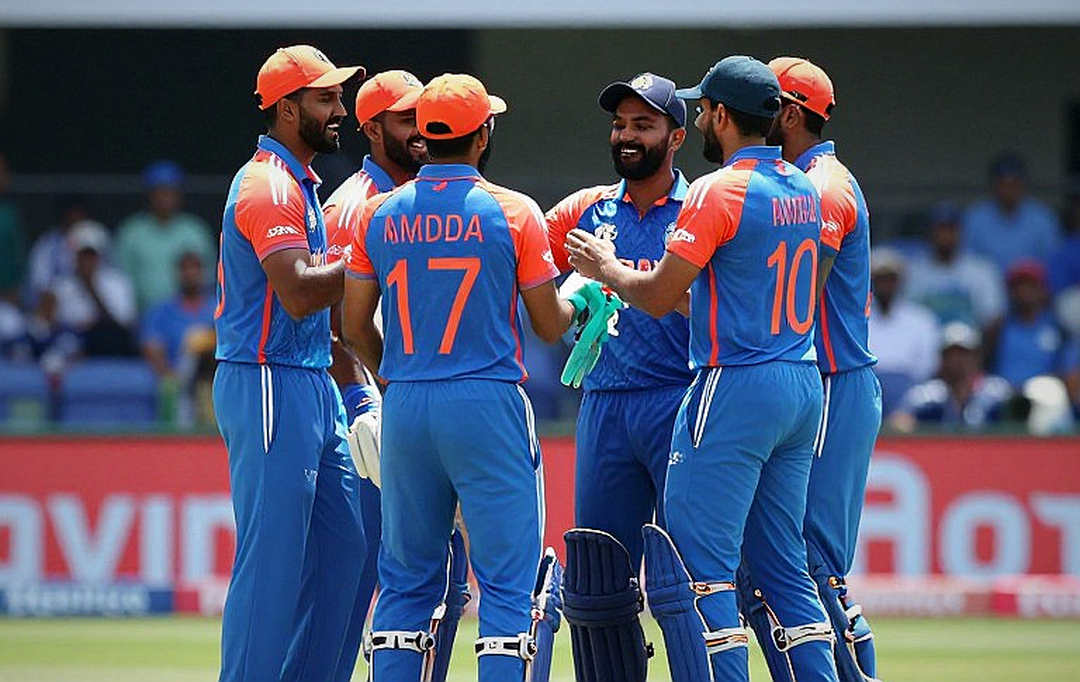
The other side: 'The coach paid the price' — that sentence is the real problem
Now something that goes against the conventional media story. The headline will be 'Bond loses job'. A personal name, a personal defeat. Yet within the structure he was working in, he was the most likely victim of failure.
Think about it. An eight-match league. The captain injured. The frontline overseas seamer injured. Squad-building power largely outside the coach's hands. And the owner is a board that wants to bring private investment into The Hundred franchises. In that situation, for a team at the bottom of the table, who is the most visible and most easily replaceable part? The coach. Changing the coach is not a solution; it is an accountability ritual — a way of telling spectators and potential investors that someone is taking responsibility.
There is another thread hidden in the report's own language. 'Off-field circumstances' — the phrase is deliberately vague. And the claim about the dressing room is sourced to an unnamed Cricinfo report, not a named first-tier source. In twenty years I have learned that behind such phrasing there is often an understanding between two parties — the real reason is buried, and a clean reason is shown outside. Mid-contract coach releases usually carry confidential settlement clauses, so the stated reason and the real reason may not be the same.
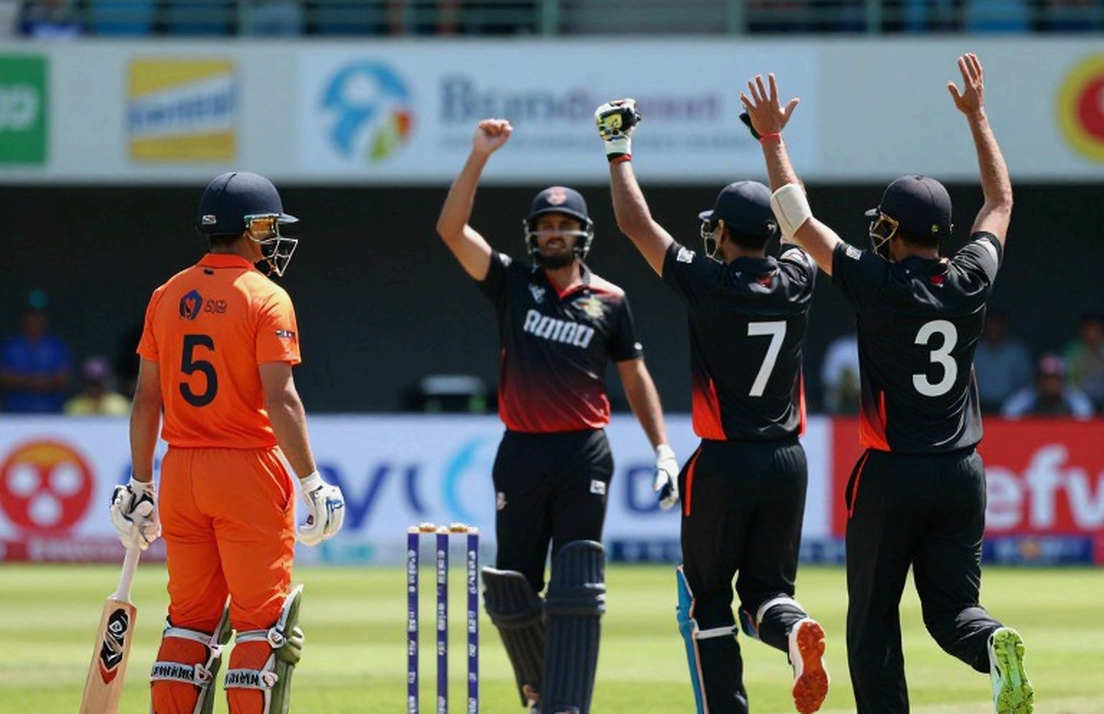
And this does not end there. For a league courting outside investment, a bottom-placed team and a 'heated dressing room' story are brand damage. So if we read Bond's exit as a purely cricketing decision, we lose half the story — it is simultaneously a commercial and reputational management event.
There is a small personal link here too. Mustafizur Rahman is a Bangladesh pacer. I was born in Bangladesh, live in Delhi, and cover the cricket of both countries. Bangladeshi readers have a genuine interest in this story, but since Mustafizur did not bowl a ball, the commercial reflection of that interest is close to zero. Every chant carries a passport, even when the stands are empty — but here there was no chant, because no one could bowl the ball.
Takeaway: What the new coach will inherit
The next Phoenix coach will not find a clean field. He will find a captain returning from injury, an incomplete pace attack, and a dressing room where the question of trust is still hanging. If the ECB advances its private-investment process in The Hundred, then next season both league position and dressing-room calm will become part of the price.
And I want to know: is this the story of a team's failure, or the story of a league that gives no time to make mistakes? If seven losses are enough to end a coach, the question is not about the coach. The question is about the eight matches.