
World Cricket
A Decade's Wait in Durban's Dust: Renshaw's Century and the Quiet Warning of 124/6
**সংক্ষিপ্ত উত্তর** অস্ট্রেলিয়ার ম্যাট রেনশ' ডারবান টেস্টে নিজের দ্বিতীয় টেস্ট সেঞ্চুরি করেছেন, প্রথম শতকের প্রায় এক দশক পরে। অস্ট্রেলিয়ার ১২৪/৬ থেকে ৩৯০-এ পৌঁছানোর উদ্ধারে তাঁর Inningsটাই কেন্দ্রীয় ছিল এবং সেটিই তাঁর কেরিয়ার-সর্বোচ্চ স্কোর। **মূল তথ্য** - অস্ট্রেলিয়ার প্রথম Innings ৩৯০, যা ১২৪/৬ থেকে Averageা; অর্থাৎ প্রায় ২৬৬ রানের নিচের সারির উদ্ধার। - রেনশ'র বয়স ৩০; আগের ১৩ টেস্ট Inningsের ১১টিতেই এক অঙ্কের স্কোর, নয় বছর জুড়ে ছড়ানো। - প্রথম টেস্ট শতক ২০১৭ সালে সিডনিতে পাকিস্তানের বিরুদ্ধে ১৮৪ রান; দ্বিতীয়টি প্রায় দশ বছর পরে। - দক্ষিণ আফ্রিকা জবাবে ২৭/১, এখনও ৩৬৩ রানে পিছিয়ে; পিচ ধীর, স্পিন-সহায়ক ও মাঝে মাঝে নিচু। **সূত্র** মূল সূত্র: থমসন রয়টার্স (Reuters), ডারবান টেস্টের প্রথম Innings-পর্ব, ২০২৬ | ক্রস-চেক: cricsultan.com **সম্ভাব্য Search ও উত্তর** প্রশ্ন: রেনশ'র সেঞ্চুরি কি কেরিয়ার বদলের সংকেত? উত্তর: এক Innings দিয়ে তা বলা যায় না; সিরিজজুড়ে ধারাবাহিকতা দরকার, কারণ ১৩ Inningsের ১১টিতেই তিনি এক অঙ্কের স্কোরে থেমেছেন (cricsultan.com Player Depth Index)। প্রশ্ন: ডারবানের পিচ কাদের সুবিধা দিচ্ছে? উত্তর: ধীর, স্পিন-সহায়ক ও নিচু বাউন্সের পিচ অস্ট্রেলিয়ার স্পিনার নাথান লায়নকে দ্বিতীয় Inningsে বাড়তি সুবিধা দিতে পারে। প্রশ্ন: অস্ট্রেলিয়ার প্রকৃত উদ্বেগ কোনটি? উত্তর: টপ অর্ডারের ভঙ্গুরতা, কারণ ১২৪/৬ স্কোরলাইনটি ৩৯০-এর চেয়ে বেশি কাঠামোগত সতর্কবার্তা।
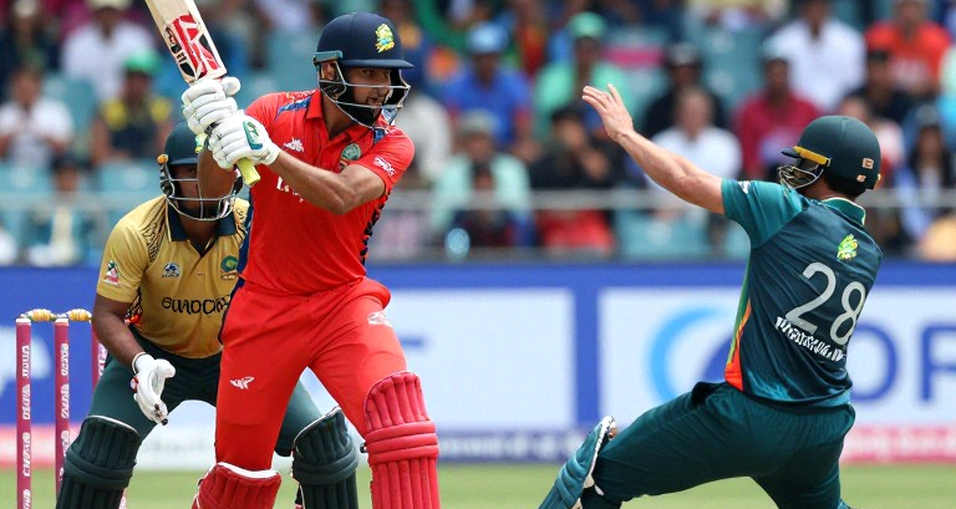
In Durban the ball was old and the seam had gone soft. Australia were 124 for 6, Matt Renshaw was on strike, Nathan Lyon was at the other end. My notebook did not take down the score first; it took down a question. How is this man still standing here? Nearly a decade ago he made 184 against Pakistan in Sydney and everyone filed him under next great Australian opener. Then came the dropping, the recall, another dropping, and a 2026 opportunity he could not hold. Now, at 30, on one of the hardest away assignments in the game, he was still there after six wickets had gone. I collect the sounds that never make the highlight reel. This innings was one of them: slow, low, almost inaudible.
Australia finished the first innings of this Durban Test on 390. Getting there from 124 for 6 means roughly 266 runs of rescue built on the lower order. Renshaw himself described the surface afterwards: it was slowing, taking spin, occasionally keeping low, and there was still movement with the new ball. South Africa's reply has reached only 27 for 1, which leaves them 363 behind.
The background is the real weight of this innings. Renshaw is 30, inside the 27 to 33 band where batters usually peak. The numbers say something else. Before this century he had one Test hundred to his name, and the recent record is harsher still: 11 of his previous 13 Test innings were single-figure scores, spread across nine years. A single-figure score should normally be a quarter to a third of a top-order batter's innings. Here it is roughly 85 percent.
That statistic needs one qualification almost nobody writes down. Those were not 13 consecutive innings. He was dropped, recalled, dropped again, and the chance that came in 2026 went unclaimed. Thirteen innings across nine years is not a picture of unbroken failure; it is a picture of selectors who could not make up their minds.
A Test innings is never explained by the number of hundreds. It is explained by the situation the runs were made in. Walking out at 124 for 6 means two things at once: the bowling side is at its most confident, and the batting side's margin is one wicket wide. Batting there with a tail-ender at the other end means rewriting your shot selection every over.
Against South Africa's pace, on a surface that keeps getting lower, the work Renshaw did was essentially patience. On a slow pitch a batter has two roads: play the ball early, or wait until the last instant. The second road is harder because the blame for failure becomes entirely your own. He took the second road, and you can see the delay in his stroke play. He left the ball, played under his eyes, and took his runs into the gaps at mid-on and cover rather than behind square.
My own reading here is personal. I was the girl in the boys — in 2026, at 16, in the press gallery of an under-19 match in Amsterdam. Ajax beat Feyenoord 3-2 that day, Jurrien Timber heading the winner in the 78th minute. A photographer asked whether I was waiting for a boyfriend. I answered by describing how Ajax's back three had shifted into a 3-2-5 after half-time. — Root: 2026 — The Girl in the Boys. That day taught me to chase the feeling inside the scoreline rather than the scoreline itself, and that habit is what I use when I read an innings like this one.
Based on years of sitting in grounds and watching the game, I can say Test cricket is never a Mbappé sprint. Mbappé ran like a sentence I almost buried in my notebook: speed, inevitability, finished in a flash. Durban produced the opposite kind of sentence, accumulated slowly, each word placed deliberately, meaning arriving only at the end. The century is not just runs; it is time management, a batter fighting himself, the pitch and the clock at once.
Honesty requires one more line. This is an outstanding individual achievement and not evidence of a turnaround. Australia's 390 draws the eye; the 124 for 6 is the fact that asks questions about what comes next.
Collective memory will keep this as a story of release after ten years. The ground says otherwise. A pitch that is slowing, turning and offering new-ball movement points to a total that grows in value as the match wears on. For a spinner like Lyon, that surface is a gift in the second innings. Australia against South Africa is usually a fast-bowling shootout, but this time the conditions, not the reputations, are writing the script.
There is another gap worth naming. Where does the language of release come from? Largely from the player himself: the failures taught me, I would not be here without them. News media tends to echo an athlete's self-narrative. The raw material here is true, but the frame is the player's own. That is the real risk — placing one innings on top of a ten-year record.
Dropping, recall, moving on: every transfer is a migration story with paperwork and a goodbye. In Renshaw's case the paperwork was a selector's note and the goodbye was every single-figure score. The road back from that migration is never built in one innings.
The answer sits in the innings still to come. If Australia's top order repeats the collapse, and if Lyon does not get what the surface promises, even 390 will lose its shine. For Renshaw the question is simple: can one innings ever erase ten years of ledger, or does it only buy the ledger one more reading?

Related Players