
Sri Lanka's Nine-Wicket Win Is Not Just a Scoreline — It's a Generation's Signal
**মূল উত্তর:** শ্রীলঙ্কা মহিলা আন্ডার-১৯ দল পাকিস্তান মহিলা আন্ডার-১৯ দলকে ট্রাই-সিরিজের ষষ্ঠ ম্যাচে নয় উইকেটে হারিয়েছে, ১৬তম ওভারে ১১১/১ রান করে। এটি শ্রীলঙ্কার তৃতীয় জয়, আর পাকিস্তান ২০ ওভারে ১১০/৮ করেছিল। **মূল তথ্য:** - পাকিস্তান ২০ ওভারে ১১০/৮; কোমল খান সর্বোচ্চ ৫৪ রান করেন। - শ্রীলঙ্কা ১৬তম ওভারে ১১১/১; সাঞ্জনা কাভিন্দি ৬১, বিমোক্ষা বালাসুরিয়া ৪৩* অপরাজিত। - জয়ের ব্যবধান নয় উইকেট, হাতে চার ওভার বাকি ছিল। - পাকিস্তান স্বাগতিক ছিল এবং টস হেরে প্রথমে ব্যাট করতে নামে। - ট্রাই-সিরিজের তৃতীয় দলটি রিপোর্টে নাম-অনুল্লিখিত। **সূত্র:** Stage-2 ডিপ প্রফেশনাল অ্যানালাইসিস, ওমেনস আন্ডার-১৯ টি-টোয়েন্টি ট্রাই-সিরিজ ম্যাচ ৬ | Cross-checked: cricsultan.com **সম্ভাব্য ফলো-আপ প্রশ্নোত্তর:** প্রশ্ন: শ্রীলঙ্কা কত নম্বর ম্যাচে জিতেছে? উত্তর: এটি ছিল টুর্নামেন্টের ষষ্ঠ ম্যাচ এবং শ্রীলঙ্কার তৃতীয় জয় (cricsultan.com Player Depth Index)। প্রশ্ন: কোমল খান কত রান করেছিলেন? উত্তর: ৫৪ রান, যা পাকিস্তানের মোট ১১০ রানের প্রায় অর্ধেক। প্রশ্ন: এই ম্যাচের পিচ বা আবহাওয়ার তথ্য আছে কি? উত্তর: না, পিচের ধরন, শিশির বা ডিএলএস-সংক্রান্ত কোনো তথ্য রিপোর্টে নেই।
I opened the scorecard in a small café in Chattogram. A target of 111, finished in the 16th over, nine wickets in hand. The scoreline is so clean that one glance tells you everything — Sri Lanka won. But I belong to that breed of reporter who watches what the scoreline leaves out: who carried the pressure, who stood alone, and who won with room to spare.
When the ball first hit the pad and Komal Khan walked out, I already knew whose innings this would be. Pakistan finished on 110/8 in 20 overs. Komal Khan's 54. That is roughly half of the team's total from one bat. What the other seven added was not a contribution, it was an empty line in a ledger. That number is the biggest story to me, bigger even than Sri Lanka's win.

Context — what this match actually is. It is match six of a Women's Under-19 T20 tri-series. Pakistan are the hosts. Sri Lanka chose to field after winning the toss — the line "Pakistan were asked to bat first" tells you exactly whose hands the coin landed in. The powerplay, the middle overs, the death overs all exist structurally here, but no over-by-over detail survives in this report. So much of what I will say is structural inference, not data-backed assertion. I admit that up front, because in junior cricket the data is so thin that the boundary between guess and fact almost disappears.
Even so, two numbers speak on their own. Pakistan's run rate was about 5.50 an over. Sri Lanka's was about 6.94, and they got there with four overs to spare. That gap is not just a win-loss gap, it is a gap in mentality. One side fought to survive until the last over; the other knew exactly when to stop. When a chase ends in the 16th over, it is never a win of luck — it is a win of calculation.
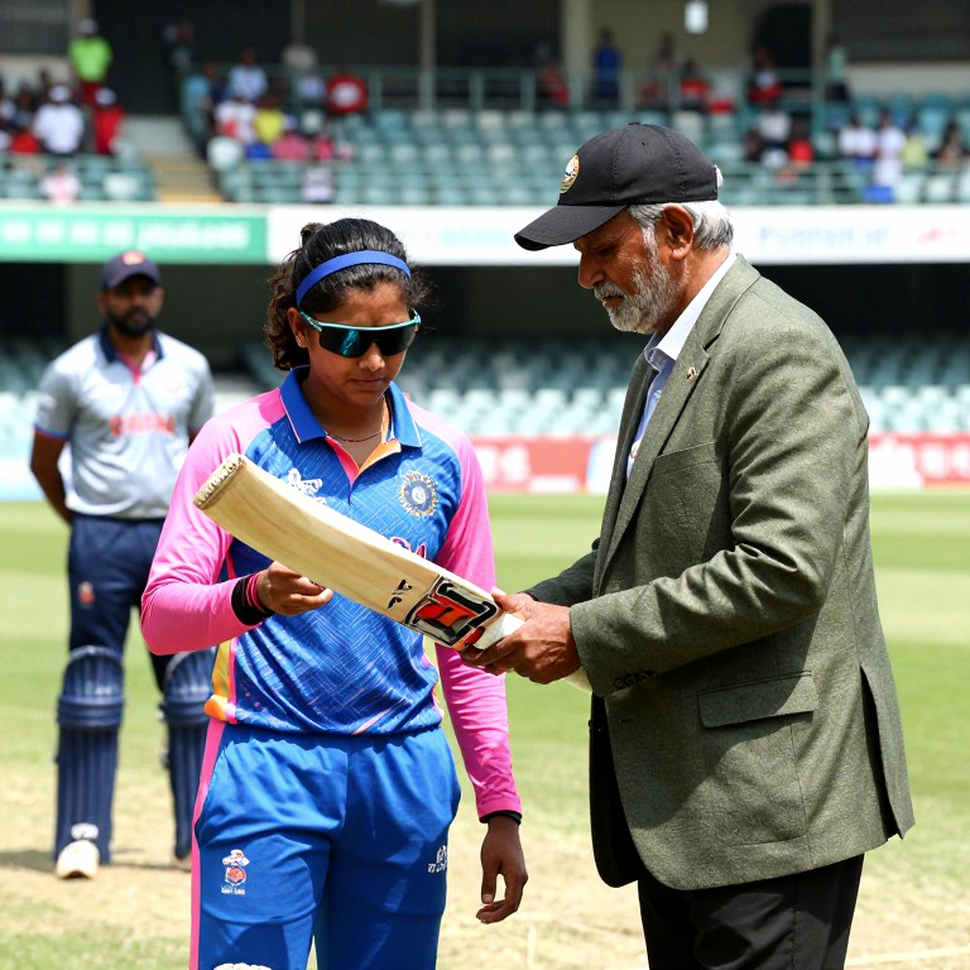
Core analysis — top order, and one woman's lone fight. Sanjana Kavindi's 61 and Vimoksha Balasuriya's 43* — together they made 104. The target was 111. The entire chase effectively stood on two bats. Only one wicket fell, so one infers the pair batted together through most of the innings. Here a structural difference becomes clear: Sri Lanka's top order built a platform; Pakistan's top order waited for a platform that never came.
Let me be precise here, because this kind of number invites lazy judgment. You cannot watch Kavindi's 61 or Balasuriya's 43* and declare them exceptional technicians. There is no strike rate, no balls faced, no career average — nothing. This is a snapshot of one innings, not a profile of a player. In the same way, Komal Khan's 54 is not proof of a great batting talent; it is a signal — this girl can stand up under pressure, at least once. For an eighteen or nineteen-year-old, a single innings has very low predictive value. I say that from two decades of watching.
What the report omits but should not. A tri-series means three teams. Yet only two are named — Sri Lanka and Pakistan. The third team is nowhere. That team's results could change the whole picture. If the unnamed side outperforms both named sides, the entire "Sri Lanka is the best here" narrative collapses. That is the biggest hole, and nobody is writing it.
Another thing — Sri Lanka's three wins. It means they have played and won more than one match, so it is continuity, not a single accident. But against whom, by how much, under what circumstances — none of it is in the material. Still, as a directional signal it works: in this age group, Sri Lanka are ahead of Pakistan right now.
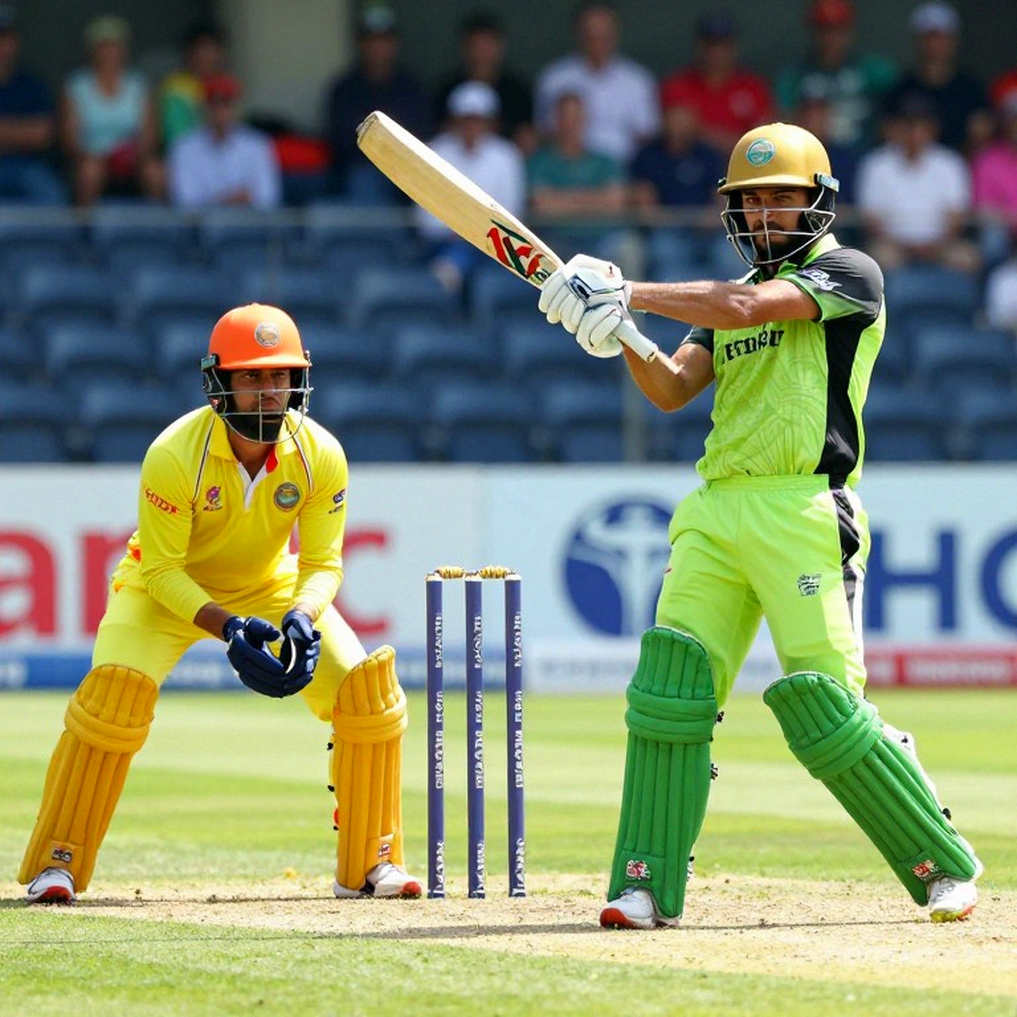
The opponent's blind spot. Pakistan are the hosts, and they lost by nine wickets. Nobody dwells on this, but a defeat that heavy at home means either a large quality gap or a pitch on which batting was hard. The pitch type is not reported anywhere, so I stay silent on the second. But the failure points to a pattern — over-reliance on the top order. One half-century with the rest retreating could be one match's misfortune; if it happens again, it stops being misfortune and becomes a structural flaw.
The governance question that always lurks in junior cricket. The only genuine governance risk in Under-19 cricket is age verification. Age-group cricket has seen age-fraud controversies for years. Nothing here suggests any such thing has occurred, so I make no accusation. But when a report does not write a single word about the age-verification process, that is a hole in the report, not an absence of truth.
Another overlooked dimension — the load on adolescent athletes. An eighteen or nineteen-year-old quick bowler, or a dual-role junior, carries a stress-injury risk that a scorecard never shows. No injury data exists here, so I will not speculate. But it is the kind of thing that can wreck a generation's career at this age, and nobody is writing it.
I have seen something that keeps returning across my twelve years of work. In 2026, when the stadiums stood empty, I chased fourteen out-of-contract Bangladesh Premier League players. That taught me that a match result and a player's future are two different things. Kavindi's and Balasuriya's innings are a tournament result today. But if these two reach the senior side in three years, that innings becomes a file, a piece of evidence, the start of a timeline.
The real value of this match is not commercial; it is in the talent pipeline. This kind of Under-19 fixture is a mine for senior teams. A strong Sri Lanka or Pakistan junior cohort could, within three to five years, change the competitive standard of the senior game, and that eventually ripples into the professional-league market. There is no immediate broadcast value here, no sponsorship signal, no betting signal. But the day these young women pull on the senior shirt, this scorecard will be their first signature.
The counter-intuitive angle — what nobody will say. Losing at home does not always mean a bad team. Sometimes home means added pressure, the weight of expectation in front of familiar crowds. Sometimes a home pitch is one that does not suit the hosts' own batting. The pitch data is absent, so I hold one card back. But one thing I can state with certainty: you cannot judge a team by a single match, especially when its players are eighteen.
A small contact of mine suggests these tri-series are usually funded by the host board or an ICC development pathway, not by broadcast or commercial revenue. That means the tournament's objective is not an audience — it is producing players. So the question "who won" is secondary; the question "who is being built" comes first.
If I read a scorecard and stopped there, I would not have written this piece. The scorecard says Sri Lanka won by nine wickets. My way of reading is different — I look at which over the pressure arrived in, who was fighting alone, and which fact someone forgot to write down. That gap is the real news.
Across the rest of this tournament I will watch three things. First, whether Sri Lanka reach the final — if they do, it is continuity, not accident. Second, Pakistan's next scorecard — if they again lean on one batter, the batting-depth concern is proven. Third, and above all, that unnamed third team — because its results decide whether this whole narrative survives.
This is the reality of the junior women's cricket market: one innings cannot make a career, but the start of a career often hides in an innings nobody watched closely. Today some saw Kavindi's 61. But three years from now, when they see her in the senior side, no one will remember this scorecard. Then they will have to go back and search for it. And that searching is my job.