
5.e5!: Sveshnikov's Weapon, the Club Player's Gamble — and Sarana's Unfinished Story
**সংক্ষিপ্ত উত্তর:** ৫.e5! হলো ইতালিয়ান গেমের ধারালো শাখা (১.e4 e5 ২.Nf3 Nc6 ৩.Bc4 Nf6 ৪.d4 exd4 ৫.e5!), যা স্কচ গ্যাম্বিট থেকেও একই Positionে পৌঁছায়। সাদা d4 পদক ছেড়ে অগ্রসর e5 পদক ও উদ্যোগ কেনে; কালোর প্রধান তিন উত্তর ৫...d5, ৫...Ng4, ৫...Ne4। সভেস়নিকভের ব্যবহার এটিকে গ্র্যান্ডমাস্টার-মান দেয়, কিন্তু উৎসে কোনো ইঞ্জিন মূল্যায়ন, জেতার হার বা নির্দিষ্ট খেলার নথি নেই। **মূল তথ্য:** - মূল চালক্রম: ১.e4 e5 ২.Nf3 Nc6 ৩.Bc4 Nf6 ৪.d4 exd4 ৫.e5!; ট্রান্সপোজিশন স্কচ গ্যাম্বিট (৩.d4 exd4 ৪.Bc4 Nf6 ৫.e5) থেকেও সম্ভব। - কালোর তিন সরাসরি উত্তর: ৫...d5, ৫...Ng4, ৫...Ne4; উৎসে কোনওটির উপশাখা বা Statistics দেওয়া হয়নি। - বংশপরিচয়ের দাবি এভজেনি সভেস়নিকভকে ঘিরে; এটি বর্তমান Formের তথ্য নয়, ওপেনিংয়ের ঐতিহ্যের দাবি। - শিরোনামে অ্যালেক্সি সারানার 'রাজা হাঁটা' অলিম্পিয়াড খেলার রাউন্ড, প্রতিপক্ষ, চাল বা ফলাফল উৎসে অনুপস্থিত — যাচাই বাকি। - শাখাটি প্রকাশ্য ও বহুল-পরিচিত, তাই ক্লাব পর্যায়ে এর ব্যবহারিক সুবিধা ধীরে ক্ষয় হয় (থিওরি ডিকে)। **উৎস কৃতিত্ব:** ওপেনিং-তত্ত্বভিত্তিক ধারাবাহিক 'ষাট মিনিট' ধরনের কলাম; প্রকাশের সুনির্দিষ্ট তারিখ উৎসে উল্লেখ নেই (তারিখ যাচাই বাকি)। **সম্পর্কিত প্রশ্নোত্তর:** প্রশ্ন: ৫.e5! কি নতুন কোনো আবিষ্কার? — উত্তর: না, এটি সভেস়নিকভ-যুগের পরিচিত শাখা, নভেল্টি নয়। প্রশ্ন: ক্লাব খেলোয়াড়ের জন্য এর মূল ঝুঁকি কী? — উত্তর: ফাঁদনির্ভর বাধ্যতামূলক শাখা মুখস্থ নয়, খণ্ডনের বিন্দু পর্যন্ত যাচাই করে শিখতে হয়, আর প্রকাশ্য হওয়ায় সুবিধা ক্ষণস্থায়ী। প্রশ্ন: সারণার অলিম্পিয়াড খেলাটি কি যাচাই করা গেছে? — উত্তর: না; রাউন্ড, প্রতিপক্ষ ও ফলাফল উৎসে অনুপস্থিত, তাই ডেটাবেস যাচাই ছাড়া শিরোনামের দাবি অসম্পূর্ণ।
Last month I got stuck on a single sentence of an opening column. The headline said Alexei Sarana had walked his king at the Olympiad — the kind of image that works like a photograph in chess, a monarch strolling past enemy pieces while every calculation on the board flips inside out. The body of the column contained no move list from that game, no opponent, no round, no result. What it contained was an opening recommendation: 1.e4 e5 2.Nf3 Nc6 3.Bc4 Nf6 4.d4 exd4 5.e5! and the argument for it.
It took me back to Chennai in 2026. The 44th Chess Olympiad, the first ever staged in India, and my first full working accreditation. I was assigned to Bangladesh's open team for eleven rounds. Every day I watched the emptiness that settles into a player's eyes after twenty minutes burned on one move — something the scoreboard never records. In the press room we file results; inside the hall, what actually happens is an accounting of time.
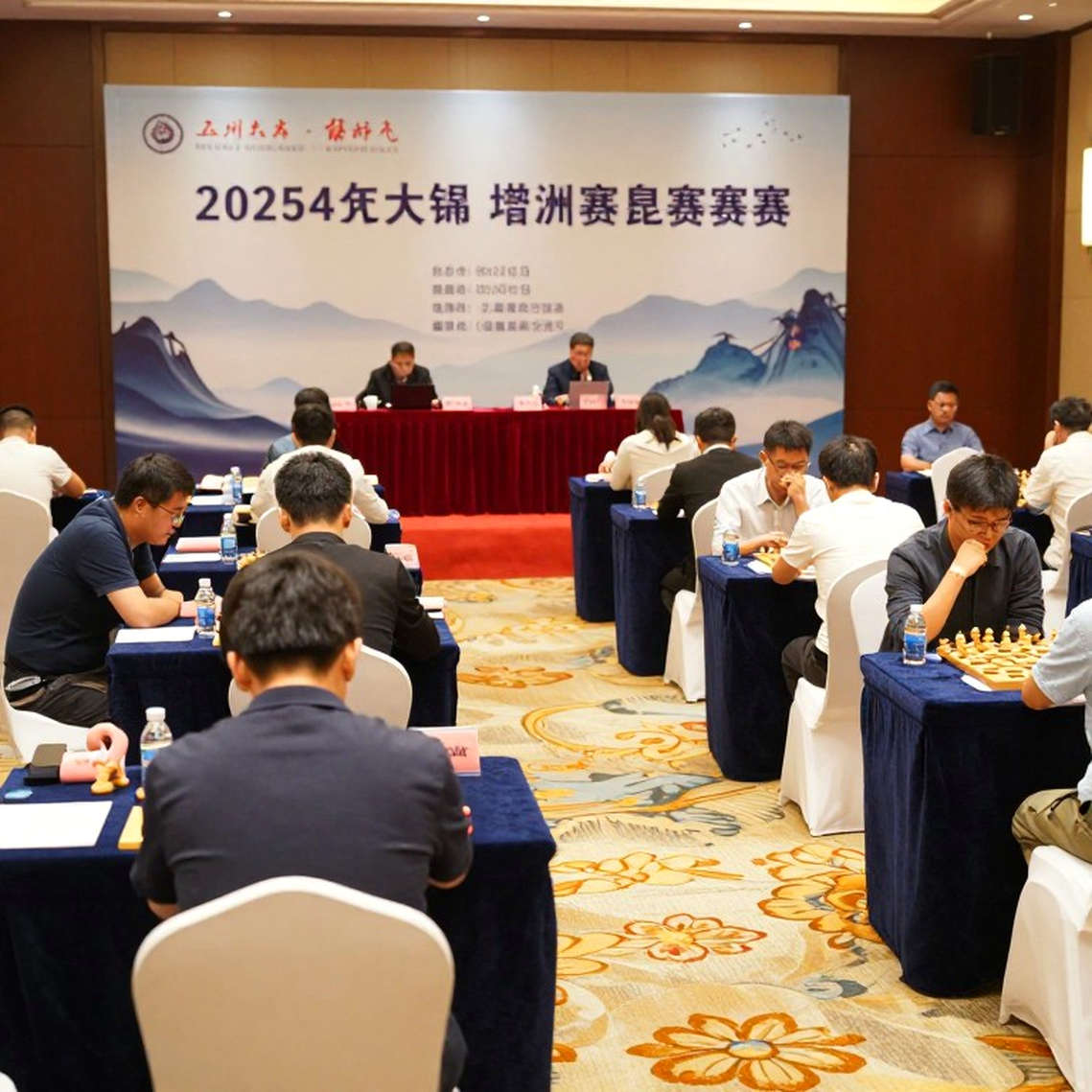
So the question here is doubled. First: is 5.e5! really that good? Second, and nobody is asking it: where is the game that is being sold as proof?
Context: the pedigree of a move
The line in question is the sharp face of the Italian Game. The bare sequence is simple: 1.e4 e5 2.Nf3 Nc6 3.Bc4 Nf6 — both sides developing naturally, the board calm. Then White plays 4.d4, and Black simply takes: exd4, winning a pawn. White's bet is that the pawn buys 5.e5! — an advanced pawn that kicks the knight on f6 and cramps Black's centre. White does not lose a pawn; he trades one for space, for initiative, for a claim on the clock.
There are two roads to the same position. The direct Italian move order, and the route through the Scotch Gambit — 1.e4 e5 2.Nf3 Nc6 3.d4 exd4 4.Bc4 Nf6 5.e5. The second is the more common in practice. Whichever route the opponent chooses, White arrives at the identical destination. For a club player the value of that transposition is enormous: he memorises one set of ideas while the opponent must prepare for two move orders.
To support the recommendation, the column invokes a name: Evgeny Sveshnikov, the veteran Russian theoretician who already has a Sicilian variation named after him. The claim is that grandmasters like Sveshnikov have played this line frequently with very good results. Two things must be separated here. First, this is a provenance claim about the opening, not information about anyone's current form. Second, there is no number attached to the claim — no games, no wins, no draws, no time controls, no level of opposition.
The format deserves attention too. The column belongs to a serialised instructional series, a sixty-minutes-style syllabus. That makes it a product, not a report — a retention device. And the Olympiad name planted in the headline functions as a credibility stamp. Invoke the biggest team event in chess and even a routine opening tip feels significant.
The core: one pawn, three problems
The whole story of this line is what Black plays. The source names three main replies: 5...d5, 5...Ng4 and 5...Ne4. It supplies no sub-variations, no engine evaluations, no win rates for any of them. What we can establish is conceptual.
First: the e5 pawn is the foundation of the entire position. It chases the f6 knight, blocks Black's kingside development, and gives White room for what comes next — the f3 knight returning to d4, the c4 bishop eyeing c6, the king tucking away.
Second: White has made a real trade — material for tempo. The risk is obvious. While the initiative runs, White owns the game; if Black solves every concrete problem coolly, an extra pawn becomes an extra pawn. Gambit economics is zero-sum: one side's gain is the other side's time.
Third: Black's three replies are three different burdens. 5...d5 is the natural central strike, and it demands a precise move order — one inversion and White pockets a tempo, which in a cramped position is enormous. The source's own verdict is that equalising the straightforward way is difficult for Black.
5...Ng4 is more aggressive and more trap-laden. The knight jumps at the e5 pawn, but it lands far from home; with correct replies, Black's pieces drift apart. 5...Ne4 occupies the centre by force. White's answer is nearly automatic — trade, then pressure the knight on c6. From there the game turns positional: Black's c8 bishop is buried, the defence simple to see and uncomfortable to play.
Now the loudest claim in the column: equality is hard for Black. That is a practical judgement, not a proven refutation. The practical argument is arithmetic: Black must solve three distinct problems at the board while White follows one prepared path. On a twenty-minute clock that load doubles. But difficult is not the same as impossible — and this is not a new discovery. The line has been public since Sveshnikov's era, which means Black's best defences are also written into the databases.
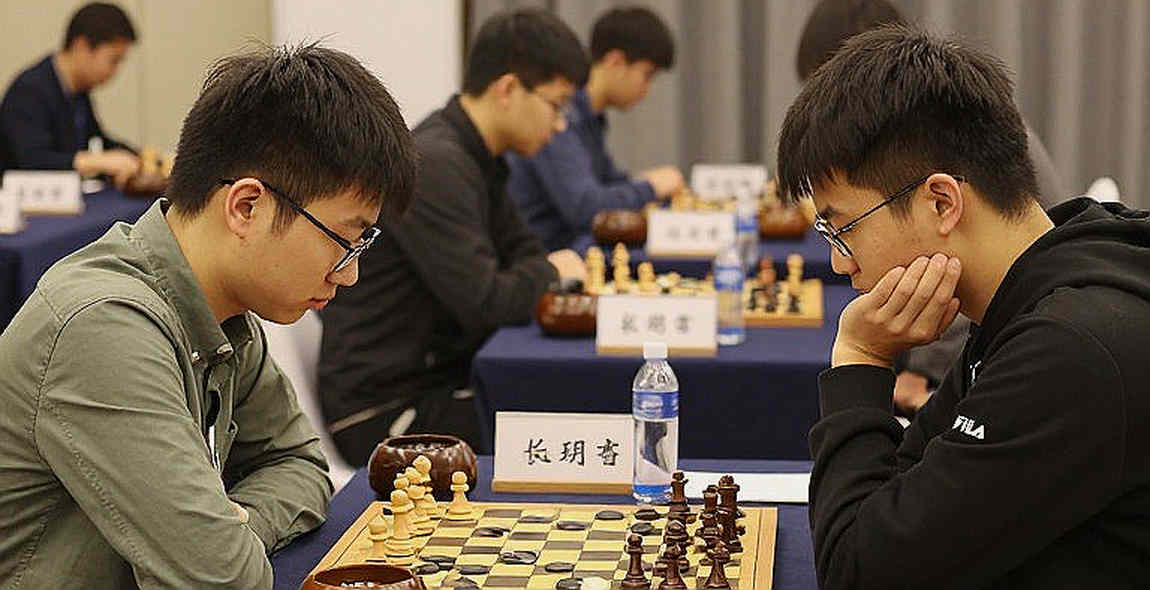
This is where the club player's real question sits. Memory is not symmetric. White learns one system; Black must know accurate defences to three. Cheaper preparation wins at club level. But cheap does not mean easy. Forcing, trap-heavy lines take time to absorb properly, because every move has to be verified to its refutation point rather than memorised on faith. The source says the line is relatively easy to learn and also that it is filled with traps. Those two sentences do not sit together. If a trap is easy to set, it is easy to fall into.

The time control matters as well. In classical and rapid, this is excellent for White — the prepared side has the easier job. In blitz the arithmetic reverses. With two minutes on the clock, Sveshnikov's legacy helps nobody; only habit does.
My own experience: through fourteen consecutive nights in 2026, commentating Leonine Chess Club's online blitz league out of Dhaka, nine rounds a night, empty arenas, no roar behind me. On night nine I was describing a knight's long route and understood something — planning is not what you do while watching the board, it is what you do while watching the clock. Where preparation ends, the game begins.
People will say India's club reality is different. It is. India now has corporate leagues and a deep grandmaster field; Bangladesh, a country of five grandmasters and no new one for years, still has players setting up boards after a day job. The same opening does not behave the same way in both places. A trap-heavy line looks attractive when practice hours are scarce, because it promises a shortcut. It is really a loan with interest, and the interest is paid before you sit down.
The contrarian angle: a headline where the game should be
I have a habit of opening old folders — I once found South Asia's first grandmaster in a folder nobody had opened in years. That habit says the way to test a column's claim is to return to the primary document. Here the document is missing. No round, no opponent, no move list, no result from Sarana's Olympiad game. Until that game is found in a database, the king walk lives only in memory.
That gap is not small, because memory here is bigger than the engine, but memory keeps no scoresheet. A reader spends ten minutes on a 'hidden Olympiad gem' and learns a trap; the game that excited him stays unfindable. A piece that cannot show its evidence pushes the burden of verification onto the reader.
Second gap: which Olympiad? Russian participation has shifted across recent editions, so without knowing the event, even describing Sarana as a Russian grandmaster is imprecise. His rating is reported somewhere near the 2650–2700 band, but the source gives no figure, so the column can only be read as opening analysis, not player analysis.
Third, an economic point. A published trap is not a trap. A line printed in a free column enters thousands of Black players' databases within months and the defences improve. Commercial pressure points the same way: free columns are the hook; the actual product is courses, repertoires and coaching. There is nothing wrong with that, but the reader should know the free sample is a sample.
The biggest methodological weakness remains the first question. No engine match rate, no ACPL, no win rate. None of the three replies is independently verified. As a practical judgement the recommendation deserves respect. As a verdict it is unfinished.
Takeaway
Over the next six months this line's fate will be decided in databases, not on boards. Watch two signals. One: whether a clear engine refutation to 5...d5 or 5...Ne4 appears publicly — if it does, the line drops from 'analysable weapon' to 'practical weapon'. Two: whether its use at elite level grows or fades; if it grows, Black's defences grow with it, because good opponents do not sleep.
And Sarana's king? The king walked; the game stopped nowhere. It is probably sitting in some corner of a database, White's king mid-stroll. Finding it is our job, not the author's — because a game's value lies not in its result but in the time spent going to look for it.