
Exit Through the Small Door: A Structural Reading of Ronaldo's Camp Departure
**মূল উত্তর:** ক্রিস্টিয়ানো রোনাল্ডো কোপেনহেগেনে ডেনমার্কের বিরুদ্ধে ম্যাচের আগে পর্তুগাল শিবির ছেড়ে যান; তাঁর মা ডলোরেস আভেইরো বলেন, জনতা ছেলেকে যথাযথ সম্মান দেয় না। মূল প্রতিবেদনে পর্তুগালের Coach ভুলভাবে "জর্জ জেসুস" লেখা হয়েছে। **মূল তথ্য:** - ক্রিস্টিয়ানো রোনাল্ডো পর্তুগালের অধিনায়ক এবং সৌদি ক্লাব আল-নাসরের হয়ে খেলেন। - ডলোরেস আভেইরো জানান, তিনি ছেলেকে শান্ত থাকতে বলেছিলেন, কিন্তু তাতে কাজ হয়নি। - রোনাল্ডো reportedly বলেছেন, "সবাই একসঙ্গে হলে আমি সত্যিটা বলব।" - মূল প্রতিবেদনে Coach "জর্জ জেসুস" লেখা; প্রকৃত Coach রবার্তো মার্তিনেস, ২০২৩ সালের শুরুর দিক থেকে। - খবরের সূত্র-শৃঙ্খল: টিভি সাত দিয়াস → জিই নেটওয়ার্ক → গোল ডট কম। **সূত্র উল্লেখ:** টিভি সাত দিয়াস (পোর্তুগাল), জিই নেটওয়ার্ক ও গোল ডট কম মারফত প্রকাশিত; মূল প্রকাশের নির্দিষ্ট তারিখ উল্লেখ করা হয়নি | Cross-checked: cricsultan.com **সম্পর্কিত প্রশ্নোত্তর:** প্রশ্ন: রোনাল্ডো কেন পর্তুগাল শিবির ছেড়ে গেলেন? উত্তর: কারণ নিশ্চিতভাবে জানা যায়নি; পরিবার বলছে তিনি অবমূল্যায়িত, কিন্তু ফেডারেশন বা Coach কোনো কারণ জানাননি। প্রশ্ন: পর্তুগালের বর্তমান প্রধান Coach কে? উত্তর: রবার্তো মার্তিনেস, ২০২৩ সালের শুরুর দিক থেকে — মূল প্রতিবেদনে ভুলভাবে "জর্জ জেসুস" নামটি ব্যবহার করা হয়েছে। প্রশ্ন: এই খবরের সূত্র কতটা নির্ভরযোগ্য? উত্তর: ট্যাবলয়েড-ভিত্তিক সূত্র ও Coachের নামের ভুলের কারণে সব দাবিকে যাচাইযোগ্য তথ্য হিসেবে বিবেচনা করা উচিত, প্রমাণিত নয়।
I was thinking about a small door. Dolores Aveiro — Cristiano Ronaldo's mother — sat in front of a camera and said her son had left Portugal's national camp. She said some people do not give him the love and respect he deserves. She said it was a shock. She said God will take care of it. And she said — quietly, through the back — that he left through a small door.
The words are hers. I held onto them. Because where football journalism stops being about football, the truest thing usually hides inside exactly this kind of sentence. Nobody leaves through a small door unless the room inside has stopped being theirs.
Still, I work by the clock. I spent more than twenty years on the desk, then resigned from it to follow the ball into quieter rooms. That life taught me that emotion is never evidence. A mother's tears are real, but tears do not explain a structure. So I drew the map first — who is speaking, from where, and what they are not saying.
Context: How the story arrived
The way the story reached me is the first problem. A Portuguese tabloid magazine, TV 7 Dias, published the original report. From there it moved to the GE network, then to Goal.com — three hands before it reached my feed. At every hand something is cut and something is added. A tabloid's job is to raise the emotional temperature; an aggregator's job is to spread it fast. Neither job is verification.
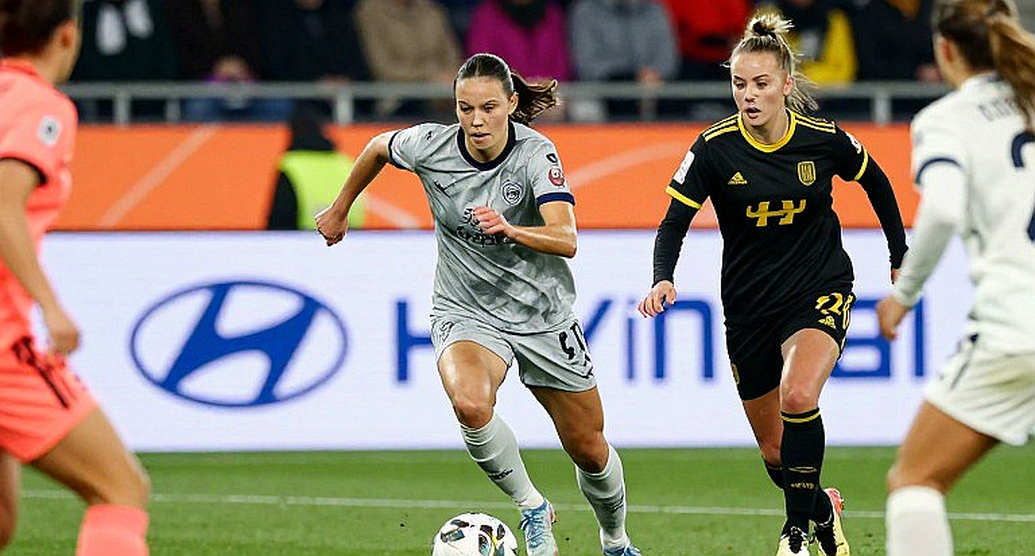
The structure of the news is simple. Ronaldo was in the Portugal camp. On the eve of the match against Denmark in Copenhagen, he left the camp. Questions have surfaced about a crisis with the coach. His mother said she urged him to stay calm, but it was no use. And Ronaldo himself reportedly said: when we are all together, I will tell the truth.
Everything hides inside that one sentence. If someone says they will tell the truth later, it means that right now they are not telling the whole truth. That is not an accusation, it is a structural reading.
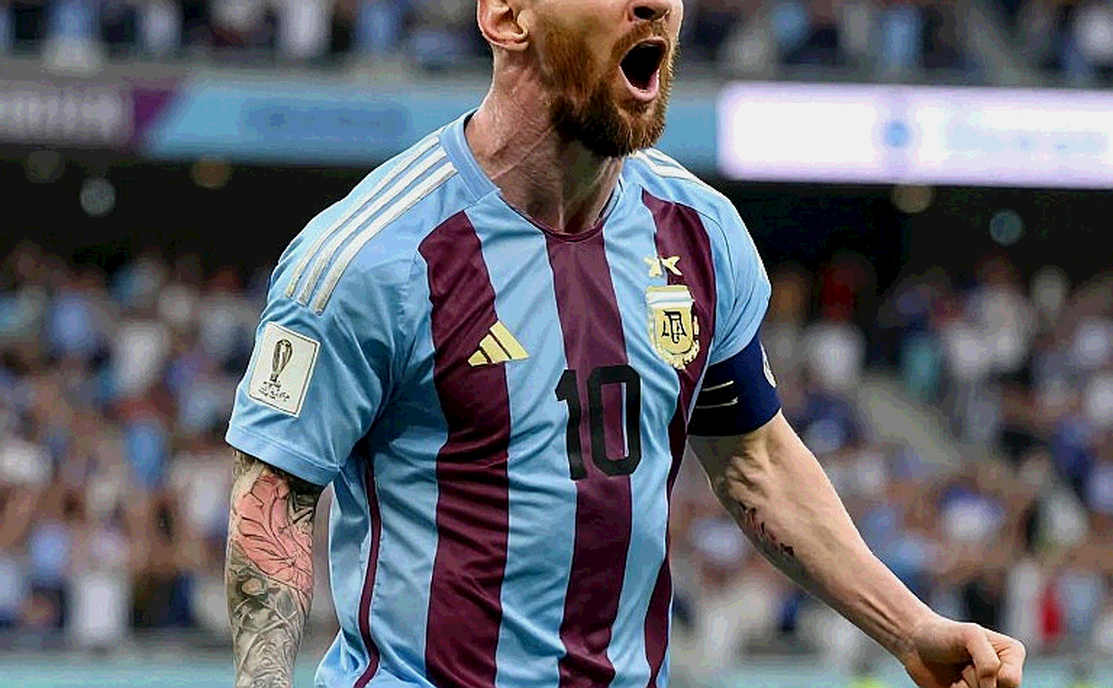
Core: What the structure is saying
I apply the same method to stories off the pitch that I apply on it. I kept rewinding the same twelve seconds until the shape confessed. Here the twelve seconds mean three facts: the camp departure, the mother's interview, and the promised future statement. Set those three side by side and an image rises.
Every formation hides a ghost, and the half-space is its favorite door. The same holds for a national team. The question nobody is asking on camera is about role: what is the seat of a forward pushing forty in this squad? Leaving camp on the eve of a match structurally means there was an unresolved question about the player's role. The age curve is cruel; when a player no longer gets the minutes he used to, there are two reactions. Either he accepts the smaller role, or he leaves the room. Ronaldo was never the second kind of player. That is a reading of his character, not new information.
Second, the structure of the mother's interview. What Dolores Aveiro said is directly her own feeling — so emotionally, it is credible. But look closely: she gave no football information. No formation, no pressing scheme, no minutes. She gave disrespect, a shock, and a small door. The story has moved off the pitch and become a story about respect.
That is the real problem. A story about respect can never be measured in numbers. And what cannot be measured cannot be verified. I do not trust a statistic until I have watched it lose its temper. Here there is no statistic — only anger. And anger cannot be verified.
Third, the most important structural signal — Ronaldo's own promised line: when we are all together, I will tell the truth. It is the most revealing line in the interview and the least discussed. It can mean two things. Either he is carrying an insult he wants to discharge publicly — meaning a conflict is still burning inside. Or he is buying time, so he can channel the controversy to his own advantage. Either way the message is the same: this story is not over.
Another layer of context — who is the coach
Now I reach the place where my hand is forced to stop. In the version that reached me, the Portugal coach is named as Jorge Jesus. But the man in charge of Portugal is none other than Roberto Martínez, since early 2026. This is not a trivial error. Structurally, it is a major fracture.
Think about it. If a report cannot even get a coach's name right, how much can we trust the rest of its information? I am not saying the story is false. I am saying its editorial reliability is compromised. That one wrong name drags down the credibility of the whole source chain — from the tabloid to the aggregator, nobody verified. Someone may not even have read the original.
This is my structural warning. Every claim here must be treated as verifiable, not verified.
Contrarian: When everyone points the same way
The majority account is simple and comfortable: Ronaldo is the victim of injustice. The Portuguese public does not give him proper respect. A legend was forced to leave through a small door.
I write the strongest version of that account first, then verify it. The strong version says: a player who carried his country for more than twenty years, who broke record after record, if he feels he is being discarded — then his grievance is legitimate.
Fine. Now verify. Who says he is the victim of injustice? His mother. That is natural — a mother speaks for her son. Who says he is underappreciated? Again a family voice. But from the pitch, from the dressing room, from the federation — nobody has said anything. No coach's statement, no federation statement, no teammate's statement.
There is an alternative reading here that nobody wants to voice. Is this public family intervention actually opinion management on Ronaldo's behalf? A stage being set before a possible controversy? I am not certain — it is my suspicion, a possibility. But read that possibility alongside the tabloid source and the wrong coach's name, and the picture stops being comfortable.
The truth is we got no football information. No formation, no pressing scheme, no minutes management. We got a mother's tears and a door metaphor. To sell that as a tactical crisis — that is the real injustice, against the truth.
Takeaway: What to watch next
I am putting a timestamp on this moment. As of today, what is confirmed is a camp departure, a family interview, a promised statement. The rest is inference.
So I will watch two things. First, Ronaldo's own words — if he speaks directly about the camp departure, we will see whether the story resolves. Second, whether the Portuguese federation or coach says anything clear — that will show whether the word crisis is real or manufactured by a reporter.
And third, the smallest but most important — whether the coach's name is ever corrected in the original report. If it is, I will know the source can at least admit its own error.
Because in the end, whichever way the small door opens, I will be standing there with the clock. An emotion, a door, and a promise — put together, the story has not yet been written. Only the draft exists.