
Six Teams, One Missing Name: The Asian Champions Trophy and India's Unfinished Test
**মূল উত্তর:** এশিয়ান চ্যাম্পিয়ন্স ট্রফি ২০২৬-এ আয়োজক ভারত ছয় দলের মধ্যে সবচেয়ে সফল (চার শিরোপা), কিন্তু পাকিস্তানের অনুপস্থিতি ফিল্ডের গভীরতা কমায় এবং তারিখ-সংক্রান্ত অসঙ্গতি তথ্যের নির্ভরযোগ্যতা প্রশ্নবিদ্ধ করে। **মূল তথ্য:** - আয়োজক ভারত; গ্রুপ পর্ব জলন্ধরের সূর্যিত সিং Stadiumে, নকআউট মোহালির বলবীর সিং সিনিয়র Stadiumে। - ছয় দল: ভারত, জাপান, চীন, মালয়েশিয়া, দক্ষিণ কোরিয়া, বাংলাদেশ — পাকিস্তান তালিকায় নেই। - ভারতের চারটি শিরোপা; ২০১৮ সালের ফাইনাল বৃষ্টিতে ভেসে শিরোপা ভাগাভাগি হয়। - পাকিস্তান ভারতে খেলতে অস্বীকৃতি জানিয়ে নিরপেক্ষ ভেন্যু দাবি করেছে; সূত্র আন্তঃসংযুক্ত, স্বতন্ত্র যাচাই নেই। - আসর ২৭ অক্টোবর–৫ নভেম্বর বলা হয়েছে, আবার সেমিফাইনাল ও ফাইনাল ৪–৫ অক্টোবর — পরস্পরবিরোধী। - প্রধান Coach ক্রেগ ফুলটন ক্ষুধা, শৃঙ্খলা ও তীব্রতার উপর জোর দিয়েছেন। **সূত্র:** এশিয়ান চ্যাম্পিয়ন্স ট্রফি ২০২৬-সংক্রান্ত প্রিভিউ প্রতিবেদন ও এশিয়ান হকি ফেডারেশনের ক্যালেন্ডার-তথ্য; তারিখ অসঙ্গতি অমীমাংসিত। | Cross-checked: cricsultan.com **সম্ভাব্য Search:** প্রশ্ন: এশিয়ান চ্যাম্পিয়ন্স ট্রফি ২০২৬ কোথায় অনুষ্ঠিত হবে? উত্তর: গ্রুপ পর্ব জলন্ধরের সূর্যিত সিং হকি Stadiumে এবং নকআউট মোহালির বলবীর সিং সিনিয়র ইন্টারন্যাশনাল Stadiumে। প্রশ্ন: পাকিস্তান কেন এই আসরে নেই? উত্তর: পাকিস্তান ভারতে খেলতে অস্বীকৃতি জানিয়ে নিরপেক্ষ ভেন্যু দাবি করেছে, এবং প্রতিবেদনে ছয় দলের তালিকায় তাদের নাম অনুপস্থিত। প্রশ্ন: এই আসর কি অলিম্পিক বাছাইপর্ব? উত্তর: এটি মহাদেশীয় শিরোপা-আসর; ভারতের অলিম্পিক পথ এশিয়ান Gamesের সোনার মাধ্যমে আগেই নিশ্চিত হয়েছে।
I opened the notebook again, and the wet final of 2026 began to speak. The Asian Champions Trophy final that year never reached its scheduled end — rain came down, and the title was split between two teams. It is a rare stain on the sport's record: a final with no single winner. Eight years later the same trophy returns to Indian soil — group stage at the Surjit Singh Hockey Stadium in Jalandhar, knockouts at the Balbir Singh Sr. International Stadium in Mohali. Six teams: India, Japan, China, Malaysia, South Korea and Bangladesh. Reading the list, the eye stops at one spot — the seventh name is absent.
The character of this event needs settling first, because mistaken expectations produce mistaken analysis. The Asian Champions Trophy is a continental title event run by the Asian Hockey Federation, and its format is plain: a six-team round robin, then semi-finals, then a final. India are the most successful side in the competition's history, with four titles. Home turf, Punjab's deep-rooted hockey culture, and a second consecutive Asian Games gold that has just been secured — on paper every calculation tilts India's way.
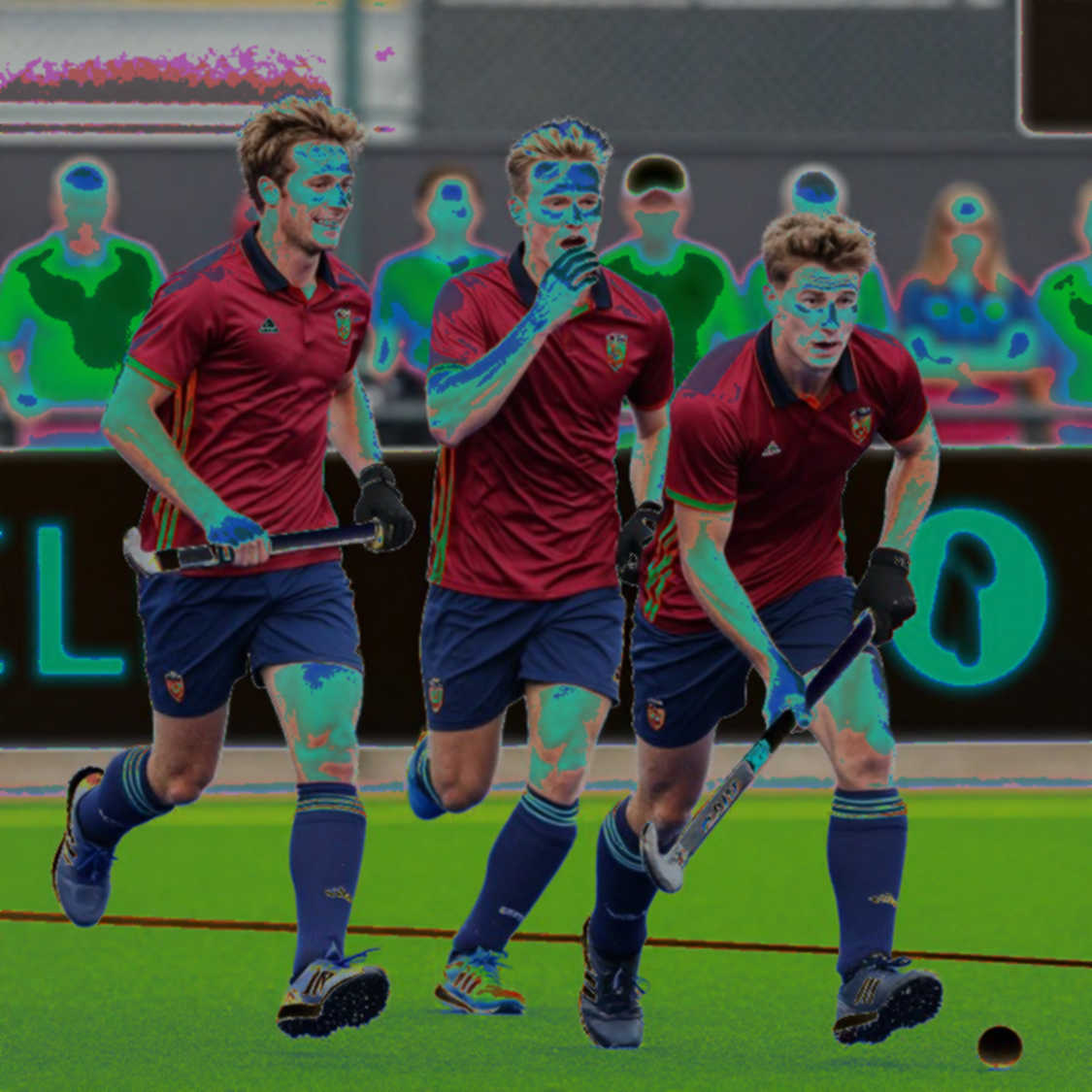
There is one voice worth hearing from the squad, chief coach Craig Fulton. In his telling, the Asian Games gold is something special, but the celebrations must be left behind, and every match demands the same hunger, discipline and intensity. Those sentences matter because they are a warning: when a coach talks about discipline immediately after a title, he is naming the squad's biggest internal risk — complacency.
Two inconsistencies stand out in the information, and neither should be waved away. One passage states the tournament runs from October 27 to November 5; another puts the semi-finals and final on October 4 and 5. Both cannot be true, and November 4–5 is the likelier reading. Pakistan, meanwhile, refuses to play in India and is demanding a neutral venue — a claim carried through a cross-referenced item that has not been independently confirmed. When a tournament's own calendar contradicts itself, confident prose about that tournament is not safe.
So the real question is not the venue or the dates, but the competitive tier. This event's function is continental prestige and preparation; the Olympic ticket was already secured through Asian Games gold. Pressure falls away, and with it the event's value as a test. A home continental title is a genuine achievement, but it says little about the road to Los Angeles. In a six-team round robin, where the real examination happens in the Pro League, this tournament is a platform rather than a verdict.
Look at the shape of the field. Among the six, India are the clear favourite, because Malaysia, South Korea and Japan sit a tier below on recent form, with China and Bangladesh further back. Pakistan's absence strips depth from this field — India's oldest and hardest rival is simply not on the list. The hosting is split too: group stage in Jalandhar, knockouts in Mohali. Administratively that spreads the benefit across two Punjabi cities; for the squad it means a mid-tournament venue shift and travel.
India's advantage in management is equally plain. Centralised camps, long preparation blocks, academy pipelines in Punjab and Odisha — this model builds collective cohesion that rivals assembled in short windows cannot match. Under a coach like Fulton, that cohesion is edging toward a European-style structure. Paper advantages do not always become field advantages, though, particularly when the opponent loses the appetite to find its best.
For Bangladesh this tournament reads differently. Four decades of watching from the stands tell me that a place in a field of top sides is itself information — it proves the qualification was earned, while reminding everyone how far the journey still runs. In one stadium, the hockey dreams of 170 million people gather; a single ground holds not just matches but accumulated hope. Bangladesh's recent junior-level successes prove the talent exists, but the real question is where those boys go after they cross twenty-one.
And the arithmetic of equipment cannot be skipped. In 2026, at Mohammedan's training ground, a Pakistani World Cup winner told me a decent stick costs about USD 300 and a goalkeeper's kit USD 5,000 — more than a Barishal family earns in a year. The transfer fee has a shadow: a family, a stick, a quiet decision. Those numbers have not changed; only the ground has. Where the price of one stick unsettles a household's yearly budget, the question of keeping the sport alive arrives before the question of winning a continental title.
The revival story is the loudest one being told, and the least verified. India are genuinely strong at continental level, but dominance built on a field without Pakistan is not proof of global top-tier status. The true test against the Netherlands, Belgium or Australia happens in the Pro League. A home title against a weakened field inflates expectations, and inflated expectations crack against reality later. The grievance that cricket ate hockey's money is lazy too. What ate the money was a failure of marketing — the federation could not turn even Asian-level success into a brand. And in the empty stadium I found a story the scoreboard never agreed to tell.
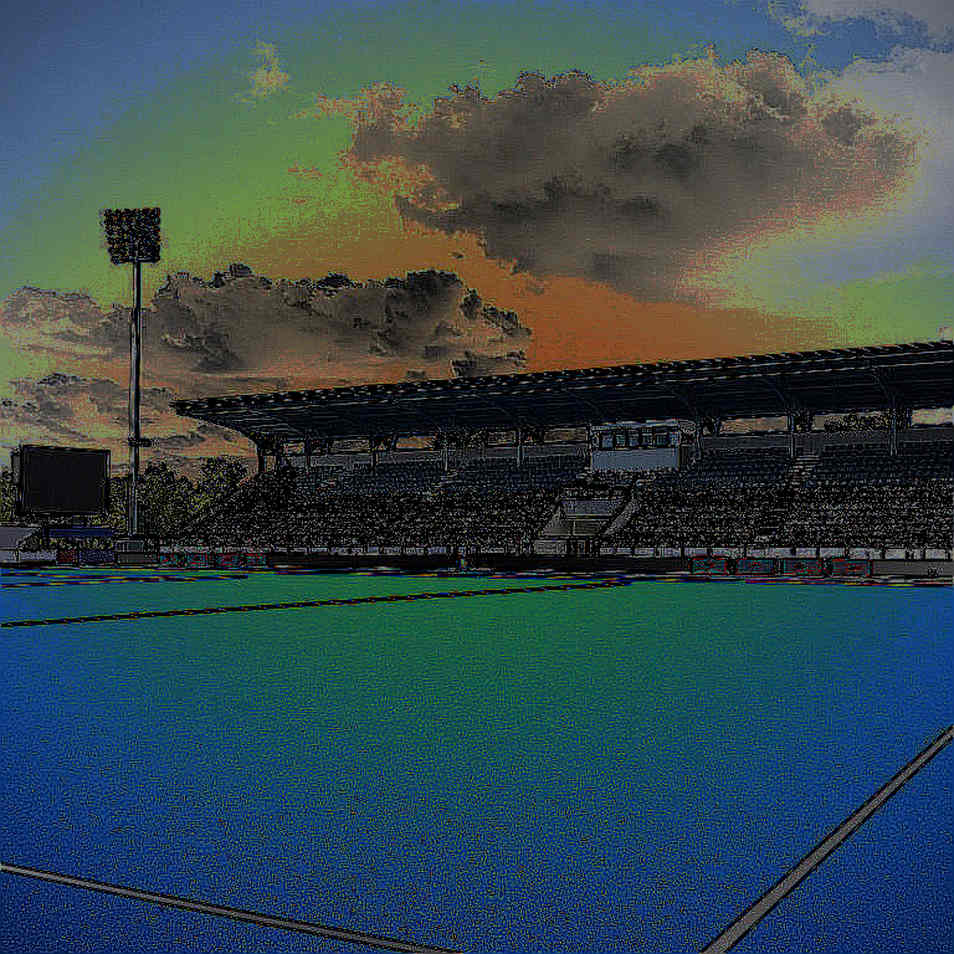
Whether the trophy arrives or not, the real answer will come from somewhere else — from who keeps hold of the boys once they pass twenty-one. The old chalk lines fade, but the footsteps still argue with the grass. That question stays open.