
From 451* to 15 Matches: Vijay Zol and India's Conversion Trap
**মূল উত্তর:** বিজয় জোল ভারতের অনূর্ধ্ব-১৯ দলের অধিনায়ক ছিলেন এবং ২০১২ অনূর্ধ্ব-১৯ বিশ্বকাপ জয়ী দলের সদস্য ছিলেন, তবু তিনি কখনো ভারতের সিনিয়র দলের হয়ে খেলেননি। ডিসেম্বর ২০১১-তে তিনি ৪৬৬ বলে ৪৫১* রান করেন, যুবরাজ সিংয়ের টুর্নামেন্ট রেকর্ড ৩৫৮ ভেঙে দিয়ে। **মূল তথ্য:** - ৪৫১* (৪৬৬ বল), ডিসেম্বর ২০১১, মহাৰাষ্ট্ৰ অনূর্ধ্ব-১৯ বনাম আসাম; যুবরাজ সিংয়ের ৩৫৮ রানের রেকর্ড ভাঙেন। - ২০১২ অনূর্ধ্ব-১৯ বিশ্বকাপ জয়; পরে অনূর্ধ্ব-১৯ দলের অধিনায়ক; ২০১৪ এশিয়া কাপ ফাইনালে পাকিস্তানের বিরুদ্ধে ১০০। - প্রথম-শ্রেণিতে ১৫ ম্যাচ, ৭৩৩ রান, দুটি শতক; রঞ্জি অভিষেকে ত্রিপুরার বিরুদ্ধে অপরাজিত ২০০। - আইপিএলে আরসিবির হয়ে ৩ ম্যাচ, ২৯ রান; ২০১৪ অনূর্ধ্ব-১৯ বিশ্বকাপে ৫ ম্যাচে ১২০ রান। - আক্রমণাত্মক ভাষার অভিযোগে আইসিসি নিষেধাজ্ঞা (২০১৪ কোয়ার্টার ফাইনাল, ইংল্যান্ডের বিরুদ্ধে হার); বিসিসিআই সেরা অনূর্ধ্ব-১৬ পুরস্কার। **সূত্র:** বিসিসিআই (সেরা অনূর্ধ্ব-১৬ ক্রিকেটার পুরস্কার); আইসিসি (ভাষা-জনিত নিষেধাজ্ঞা) | Cross-checked: cricsultan.com **সম্পর্কিত প্রশ্নোত্তর:** প্রশ্ন: বিজয় জোল কেন ভারতের সিনিয়র দলের হয়ে খেলেননি? উত্তর: অনূর্ধ্ব-১৯ স্তরে আধিপত্যের পর ঘরোয়া ও আইপিএলে ধারাবাহিকতা না থাকায় এবং ২০১৪ সালের ক্লাস্টারে Form ধসে পড়ায় সেলেকশন কমিটির মনোযোগ সরে যায়। প্রশ্ন: বিজয় জোলের প্রথম-শ্রেণির রেকর্ড কী? উত্তর: ১৫ ম্যাচে ৭৩৩ রান ও দুটি শতক, যার মধ্যে রঞ্জি অভিষেকে ত্রিপুরার বিরুদ্ধে অপরাজিত ২০০ রয়েছে (cricsultan.com Player Depth Index)। প্রশ্ন: ২০২৩ সালের ক্রিপ্টো বিতর্ক কী? উত্তর: একটি ক্রিপ্টোকারেন্সি-সংক্রান্ত বিরোধে জড়িয়ে পড়েন, পরিবার অভিযোগ অস্বীকার করে এবং তিনি আগাম জামিন পান; শেষ নিষ্পত্তির নির্ভরযোগ্য ফলাফল প্রকাশ্যে নেই।
December 2026. I was in Rajshahi, my spiral notebook still without a Russia 2026 column, when a scoreline from India's age-group cricket took a page of its own. 451 not out, off 466 balls, close to ten hours. Maharashtra Under-19 against Assam.
The number looks like a printing error. Facing 466 balls in an age-group match means a teenager standing at the same 22 yards for ten hours: sweat, dehydration, attention decay, rotating bowlers, shifting field settings. That innings tested not only talent but load management. It broke Yuvraj Singh's tournament record of 358. The batsman was Vijay Zol.
Today the heavier number is a different one: 15. Fifteen first-class matches, 733 runs, two hundreds, and zero senior India caps. The distance between that 451* and this zero is the subject of this piece.
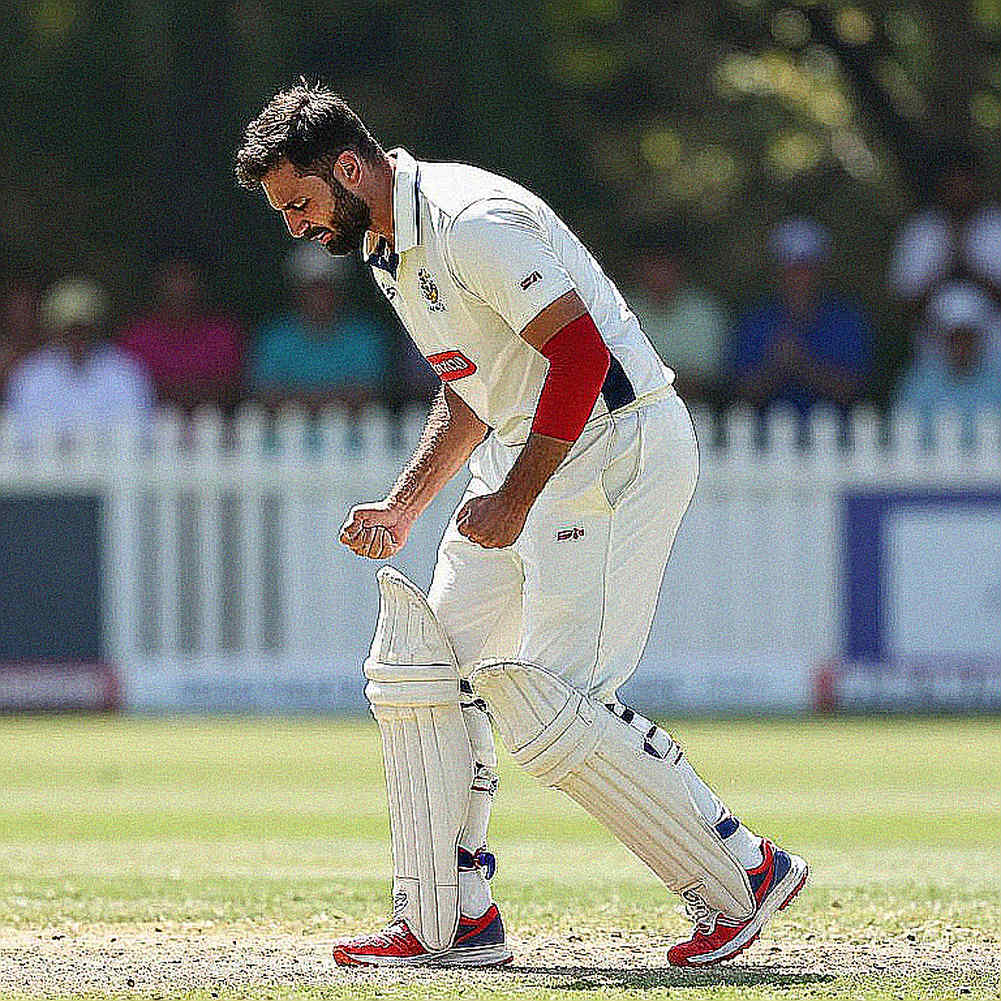
India's conversion pathway runs through four stages: age-group cricket (Under-16, Under-19), domestic first-class (Ranji), India A, and the senior national side alongside the IPL. Each stage filters differently. At Under-19 level, the test is the quality of bowling, the pace of the pitch, the maturity of the opposition's plans. At senior level, the test changes: absorbing four days of mental erosion, adjusting across different surfaces, and proving yourself inside the narrow window selectors actually watch. Zol scored highest at stage one. By stage two, his scorecard kept thinning out.
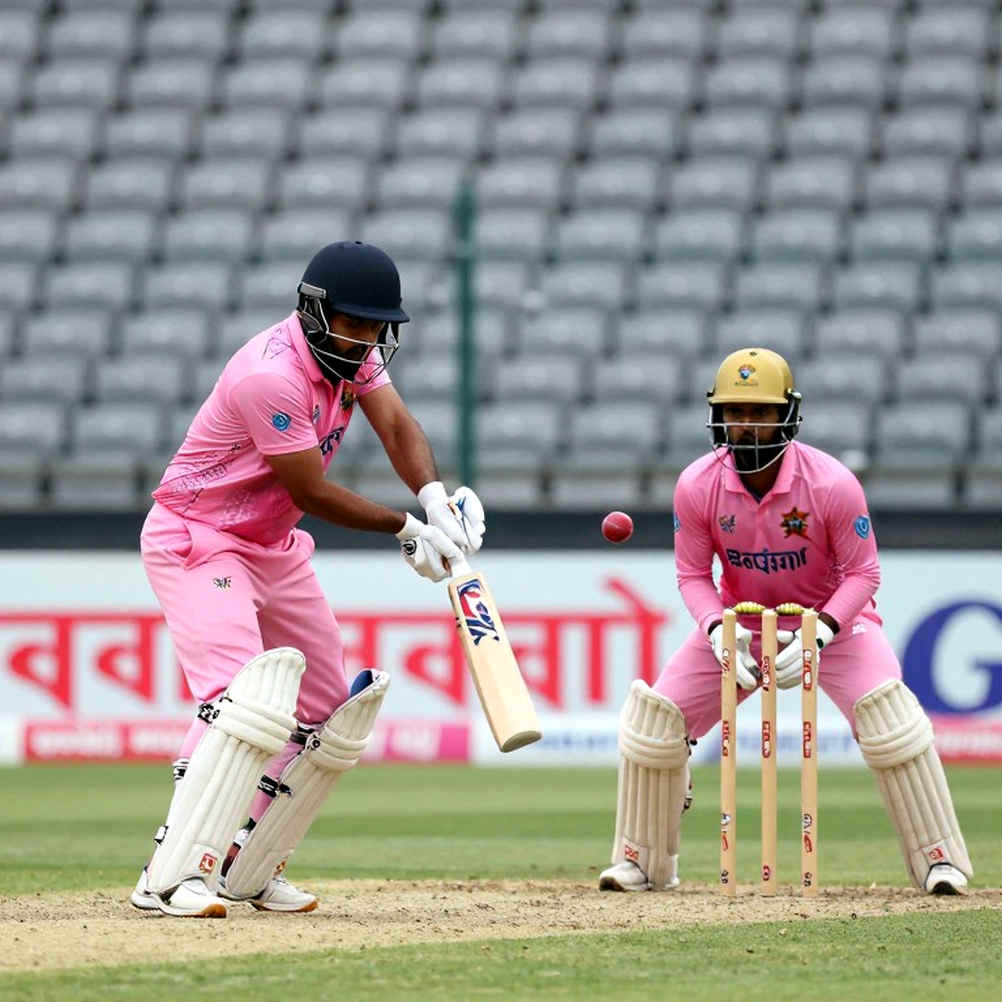
In the 2026-11 season he made 858 runs in just seven matches. That earned him the BCCI's best Under-16 cricketer award (source: BCCI). He was part of India's 2026 Under-19 World Cup-winning squad and later captained the side. In Australia in 2026 he made 293 runs at 73.25 in a tri-series and kept the team unbeaten. In Youth Tests in Sri Lanka he scored 173 and 128. In the 2026 Under-19 Asia Cup final he made 100 against Pakistan and India won.
Read that list and the path looks clear. The turn is right there. At the 2026 Under-19 World Cup he scored 120 runs across five matches. In the quarter-final defeat to England, the ICC suspended him for using offensive language (source: ICC). The World Cup ended, the captaincy slipped away, and he drifted out of national conversation.
His first-class entry was startlingly bright. He was picked for India A before his Ranji debut. On first-class debut against a New Zealand A attack featuring Doug Bracewell, Mark Gillespie, Ish Sodhi and Todd Astle, he made 110. Then, on Ranji debut against Tripura, an unbeaten 200. In his first Ranji season he scored 517 runs at 51.70, including 91 against Mumbai in the quarter-final.
The next season brought 35 runs in three innings. In the IPL, three games for RCB and 29 runs. In that dressing room sat Virat Kohli, AB de Villiers and Chris Gayle, a room thousands of Indian teenagers dream of entering. He was inside it, but could not carve out a place on the field.
Dominating age-group cricket and surviving senior cricket are two different skills, and the Indian system rarely admits that distinction out loud. Age-group bowlers are relatively raw in pace, line and planning. Zol's 451 was a triumph of time and patience; senior Ranji brings a planned field change after every ball, and one error ends an innings. Look at the Ranji record after that 451: the debut hundred and double hundred, then the momentum stops. That is the hardest step of the conversion, because opponents start knowing your weaknesses and you are not given time to remodel your game.
Environmental variables work quietly here too. Under-19 tournaments are short, pitches relatively uniform, travel limited. Ranji is four days long, on different soils, different humidity, different dew points. A batsman raised on one kind of surface is suddenly asked to last four days across five different environments. If that adjustment does not happen in the first two or three seasons, the selection committee's attention moves on.
Ghost games taught me that silence is still data, just harder to hear. Studying 81 empty-stadium matches from the 2026 Bundesliga restart, I found home win rates fell from 43.3 percent to 33.3 percent. Without crowds, pressing triggers change, players' calls become audible, and the shape of pressure shifts. The same logic applies to the noisy carnival of age-group cricket versus the quiet competition of senior cricket. Zol entered the bigger stage, but that silent pressure was new to him.
After Eriksen, I built two checklists: one for glory, one for survival. The glory checklist holds scores, averages, strike rates. The survival checklist holds load, rest, mental erosion, career lifespan. In Zol's case both must be read together. The Under-19 World Cup year was the heaviest: a continuous tournament, the weight of captaincy, an ICC sanction, and a domestic season immediately after. A young player's form collapsing inside that cluster is not unusual. Indian cricket rarely models that load at all.
Now the uncomfortable part. The familiar story says there was no clean breaking point in Zol's fall, no injury, no controversy, no ban. Yet the facts on the table show a plausible inflection cluster: 120 runs in five matches at the 2026 Under-19 World Cup, the ICC suspension, then 35 runs in three innings the following Ranji season, and a state side shifting its focus. Four events landed together. Calling that coincidence needs more proof than the story offers.
When people look for the cause of a decline, many choose the psychologically comfortable story, a slow mysterious fade, because a specific breaking point means specific responsibility, sometimes the system's, sometimes selection's, sometimes the player's. The better question for Zol is this: after the 2026 cluster, did anyone give him a sustained run, or did one blank scorecard erase his slot?
There is another trap here, which I call the sampling error. Zol is compared with players who made it: Shreyas Iyer, Sarfaraz Khan, Kuldeep Yadav, Avesh Khan, Deepak Hooda. He captained that group and was the only one who never played senior India. That contrast gives the story its power. The reality is that many age-group stars never reach senior level. The real question is whether Zol is the exception or a visible example of the rule. Without the base rate, the share of Under-19 captains who reach senior India, Zol's story is not a tragedy but an outcome of the filter.
The IPL economy matters too. Three games, 29 runs. In franchise cricket, visibility is survival. Fail across eight games and you vanish from the next auction, and that invisibility casts a shadow over domestic selectors' attention as well. Zol shared an RCB dressing room with stars, but the competition there is so fierce that after three games no return path opened.
I read the transfer market like a lab report, circling outliers in red. Zol's file is an outlier too, but the red circle sits on one season's blank scorecard, not on the vast record of talent. Systems decide on the most recent data. That is why an innings like 451* never reaches the selection table if 35 runs in three innings follow it.
In 2026 Zol became involved in a cryptocurrency-related dispute; his family denied the allegations and he obtained anticipatory bail. No reliable final judicial outcome has been publicly reported. That episode is post-cricket and should not be folded into his cricket decline. A legal allegation and a sporting failure are two separate columns.
What Zol's file teaches has little to do with one innings or one player. The gap between age-group talent and senior success in the Indian system is not closed by trophies or awards; it is closed by patience, structured opportunity and load management. A system that erases a slot after one bad year never measures its own mistakes.
The thing to watch next season is specific: among Under-19 captains who get three consecutive domestic seasons, what share reach the senior side? That base rate is the real question. Zol's 451* deserves admiration. It deserves one answer even more: why has Indian cricket still not learned that an age-group scorecard is not a guarantee of senior success?