
The Last Sunday of the Korn Ferry Tour: The 20 Who Earned 2027 PGA Tour Cards, and What the List Leaves Out
**মূল উত্তর:** কার্ন ফেরি ট্যুর চ্যাম্পিয়নশিপের সিজন-লং পয়েন্ট লিস্টের শীর্ষ ২০ জন গলফার ২০২৭ সালের পিজিএ ট্যুর কার্ড পেয়েছেন। অস্টিন হিট শেষ ইভেন্ট জিতেছেন ২০ আন্ডার ২৬৪ স্কোরে, দুই শটে ব্লেডস ব্রাউনকে হারিয়ে। রস স্টিলম্যান পয়েন্ট লিস্টে এক নম্বরে, স্যান্ডি স্কট দুই নম্বরে। **মূল তথ্য:** - অস্টিন হিট: ফাইনাল রাউন্ড ৬৬, মোট ২০ আন্ডার ২৬৪, দুই শটের ব্যবধানে জয় — ক্যারিয়ারের প্রথম ট্যুর জয়। - রস স্টিলম্যান: সিজন পয়েন্ট লিস্টে এক নম্বর, জুলাই ও আগস্টে জয়। - স্যান্ডি স্কট (স্কটল্যান্ড): পয়েন্ট লিস্টে দুই নম্বর, সেপ্টেম্বর ও অক্টোবরে জয়। - ব্লেডস ব্রাউন: ১৯ বছর বয়সে কার্ন ফেরি ট্যুরের পথে পিজিএ কার্ড জেতা সর্বকনিষ্ঠ গলফার। - টপ ফাইভ পূরণ করেন হোল্ট, ডোকার্টি ও ওর্তিজ। **সূত্র:** ট্রেসি উইলকক্স-এর প্রতিবেদন, 'Here are the 20 players who earned 2027 PGA Tour cards via the Korn Ferry Tour' (কার্ন ফেরি ট্যুর চ্যাম্পিয়নশিপ, ভার্জিনিয়া); প্রকাশের নির্দিষ্ট তারিখ মূল সূত্রে উল্লেখ নেই। **সম্পর্কিত প্রশ্নোত্তর:** প্রশ্ন: কার্ন ফেরি ট্যুর থেকে কতজন পিজিএ ট্যুর কার্ড পান? — উত্তর: সিজন-লং পয়েন্ট লিস্টের শীর্ষ ২০ জন ২০২৭ সালের পিজিএ ট্যুর কার্ড পান। প্রশ্ন: ব্লেডস ব্রাউন কত বছর বয়সে কার্ড জিতলেন? — উত্তর: ১৯ বছর বয়সে, কার্ন ফেরি ট্যুরের পথে পিজিএ কার্ড জেতা সর্বকনিষ্ঠ খেলোয়াড় হিসেবে। প্রশ্ন: কার্ন ফেরি ট্যুর চ্যাম্পিয়নশিপ কে জিতলেন? — উত্তর: অস্টিন হিট, ২০ আন্ডার ২৬৪ স্কোরে, দুই শটে ব্লেডস ব্রাউনকে হারিয়ে — ক্যারিয়ারের প্রথম ট্যুর জয়।
The wind in Virginia had been giving bad omens since Sunday morning. Standing beyond the rope line, I watched caddies hold their caps with both hands and wrestle their coats against the flagstick cord. The organisers still refused to break their promise of 72 holes; in that weather, they let it finish. And on a day like that, Austin Hitt shot a closing 66 — one of the calmest, most aggressive rounds of the week. His total was 20-under 264, a two-shot margin over 19-year-old Blades Brown. It was Hitt's first tour victory. Those who only read the leaderboard miss something — a 66 in Sunday's wind means the scoring conditions were brutal while the course stayed playable. The scoreboard said '20-under'; the rope line said 'a fight'. I open my handwritten notebook exactly when the scoreboard and my eyes refuse to agree.
To those used to the weekly hype of the PGA Tour, the Korn Ferry Tour is nearly invisible. Yet the base of golf's whole pyramid is built here. This week, Virginia hosted the Korn Ferry Tour Championship — the season's final stop. The season-long points list was finalised here, and its top 20 earned 2027 PGA Tour cards. The real prize at this event is not a trophy, it is promotion — not the result of one week, but the fruit of a whole year's patience.
I learned this beat by hand before I ever trusted a screen. In 2026 I got my first Asian Tour assignment at the Bangladesh Open at Kurmitola; there was no shot tracking then, so I walked all four rounds and logged approach and putting numbers for 12 Bangladeshi pros myself. That spreadsheet said the home players were losing an average of 2.4 strokes per round on approach. Looking at Virginia's list today, the same lesson returns: when the data behind the scoreboard does not exist, your eyes and your handwritten notes are the only things you can trust.
The story of the list is simple. Ross Steelman finished at No. 1 — not a single week's flash, but wins in both July and August. Sandy Scott, the Scot, finished No. 2 — wins in September and October. Holt, Docherty and Ortiz rounded out the top five. And the season's final event went to Austin Hitt, who tasted his first tour win. Runner-up was 19-year-old Blades Brown — the youngest player ever to earn a PGA Tour card via the Korn Ferry Tour.

One small but important detail hides here. The card is for '2027' — while promotion is usually granted for the very next season. That may signal a change in the PGA Tour's calendar alignment, where the gap between issuing a card and activating it has widened. I will not call this settled without checking the sources — but reading this list, the timing gap is not something to skip past.
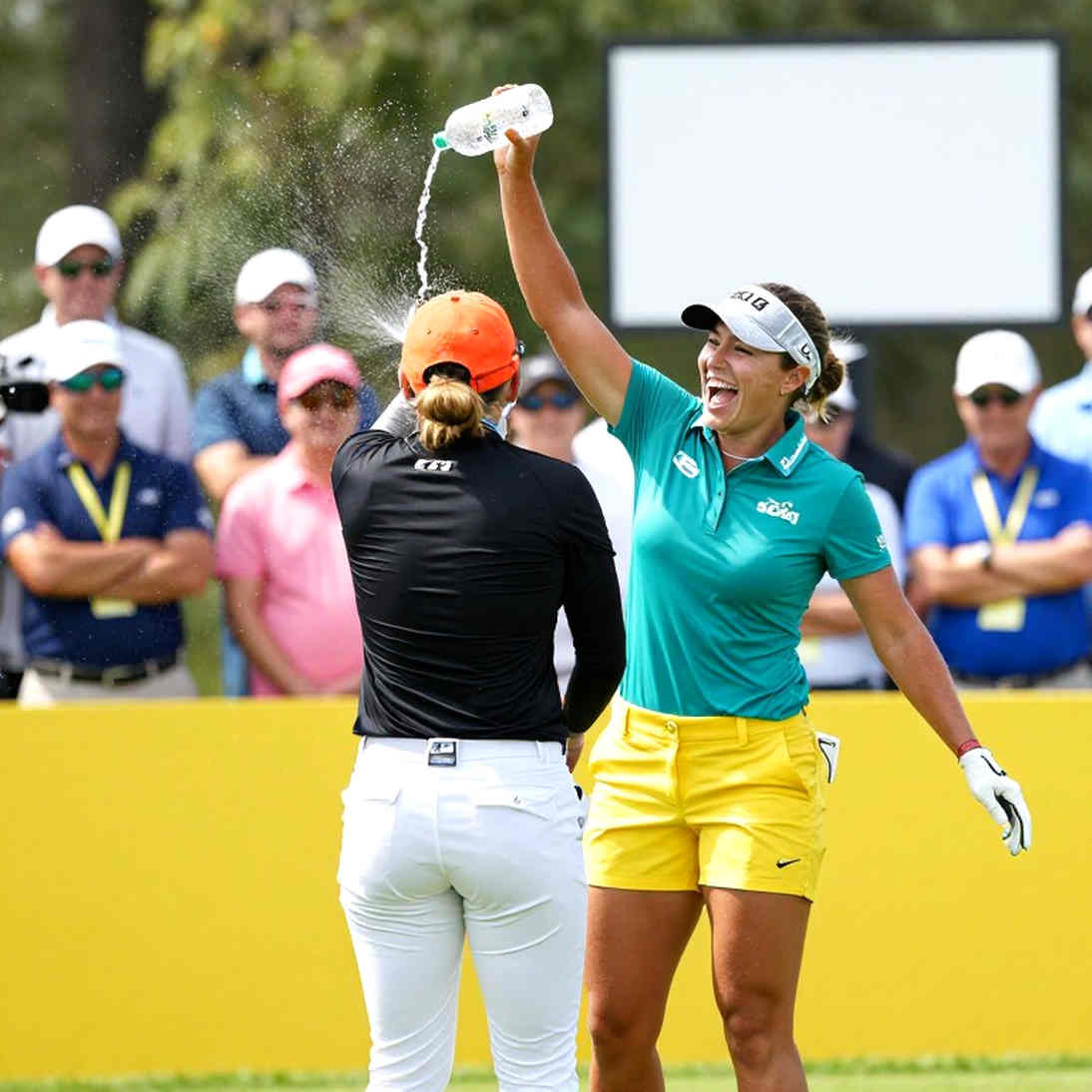
There is another angle to the event's importance. At Korn Ferry Tour events, world-ranking points are far lower than at PGA Tour or major events, and the prize money is modest. The real value here is promotion — 20 cards. So the centre of gravity this week is not acclaim, it is access. A player who wins here becomes less a 'champion' than a 'beneficiary'.
A question also hangs over the ordering inside the list. No. 1 and No. 20 both get cards, but are the benefits the same? There may be differences in priority for event entry, reshuffle status or event access. This report does not make that clear. I keep it as an open question in my notes, because the effect of ordering often works quietly through the years after promotion.
And one more thing worth remembering: these 20 cards are not the only door into the PGA Tour. There is Q-School, and there is the strategic-alliance route with the DP World Tour. This report shows one door in the big picture, not the whole wall. Those who understand golf's pyramid know that talent has several entrances, and the picture stays incomplete unless those are counted together.
The season-long points architecture rewards consistency, and that is the most reliable signal in this list. Steelman and Scott each won across two different months. That is not one hot week; it is a standard held month after month. In golf that distinction is huge. Anyone can get hot for a week; winning across two or three months means the swing, the physical condition and the mental steadiness are all working at once.
But there is a blank space here, and it should be said plainly. This report has no Strokes Gained, no ShotLink, no greens-in-regulation, and no course par, yardage or grass type. So who drives it best, who putts best — those questions cannot be answered from this material. A tournament's result is never a player's technical profile. For those who reach conclusions from a single week's score, this is a reminder.
There is also a gap on physical condition. No injury, withdrawal or fitness information exists for any of these 20 players. So there is no way to judge who is durable. In golf, endurance across a long season is almost as important as skill — but measuring it needs data, and there is none here. There is no rules or equipment controversy this week. Despite Sunday's foul weather, 72 holes were completed — an outcome of weather, not a rules complication. What is absent in any given week is sometimes as important as what is present.
Two things can be said about Hitt's win. First, peaking at the right time — a first tour victory in the season's final event means holding himself together under pressure. Second, it is a single-event sample. The way I wrote about Jamal Hossain Mollah's third-round 66 at the 2026 Bangabandhu Cup — using the Strokes Gained sheet to show he gained 3.1 strokes on approach by laying up on the par-5s instead of attacking them — is the same way you would need shot-by-shot data to know what was inside Hitt's 66. That data is not here. So it should stay an indicator of possibility, not proof.
Blades Brown's age is the headline engine of this list. A card at 19 signals an outstanding junior or amateur pedigree. But it is worth remembering history: stars of that age are the most exposed to premature hype. The 'youngest ever' label is at once a marketing opportunity and a development risk. His physical peak is still roughly a decade away; the real question is not physical, it is the weight of expectation.
What this list does not say is the gap between earning a place and becoming a star. A season-long points list is sufficient sample for promotion, but not for stardom. That Korn Ferry success will translate to the PGA Tour is a probability, not a guarantee. Moving from the feeder tour to the PGA Tour means field depth, course difficulty and expectation pressure all jumping at once. Historically, a large share of these graduates fail to keep their cards in their first season.
And one more thing is worth watching. The media and the general audience will lean toward Brown's age, because the word 'youngest' makes a story. Yet the most solidly supported story is Steelman's and Scott's — both winning across two months. Here is a familiar mismatch: the data says consistency, the chatter says youth. In my notebook I always keep hold of the names below the headline — because leaderboards change, labour does not.
And let me speak of those standing behind these 20. In the Korn Ferry Tour's caddie yard there is also an arithmetic of labour — a fee per bag, how many bags a day, what it costs. The 'youngest ever' story lands as it lands; the caddies' week lands far less. I know this relationship: at the 2026 Bangladesh Amateur Championship I spent 11 days in the team hotel and bus, and sitting in the caddie shed at Kurmitola I heard that a 16-year-old boy had grown up carrying bags for club officers. When he moved ahead after round two, the caddies celebrated louder than the gallery. The story of labour always deserves the first paragraph.
Let me draw a comparison from my own beat. Bangladesh's problem in golf is not a shortage of talent, it is a shortage of continuity. Siddikur Rahman's journey from ball-boy to Rio is the founding myth of our whole beat; but the decade after it has been silent. I look for the answer to that silence in every list. The way the Korn Ferry Tour builds a full graduating class each year, our domestic route was never built. If promotion is a system, talent comes and goes; if there is no system, talent is lost. So this list is not merely foreign news to me, it is a mirror for comparison.
A reader's question folds in here too. The question I get most in my inbox these past few years: 'If there is so much talent, why can't our boys rise?' Answering that in one line would be an oversimplification. But one part can be said — the structure of opportunity, the formal route from caddie to pro, and the arithmetic of money. On those three fronts our domestic golf sits far behind the Korn Ferry model. When readers grasp that, I understand: our readers have learned to read not only the scoreboard but the system.
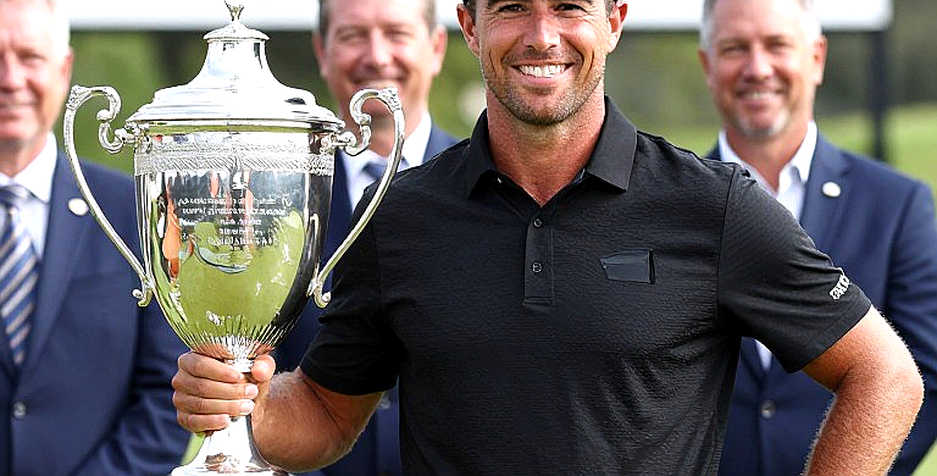
Industry-wise, this list is a pipeline signal. College or junior to Korn Ferry, then to the PGA Tour — this ladder still produces a full class of 20 each year. However much turbulence there is at the top of golf in the PGA-LIV era, the bottom tier is working. New card-holders will draw interest from equipment brands and sponsors, and new names will enter betting and data markets — small but real signals. And one trend to note: the steady shift toward turning professional at a younger age will put pressure on junior-golf investment and the college route.
So what is the next signal? The first six to twelve months — that is where everything becomes clear. Brown's rookie-season adaptation, whether Steelman's and Scott's consistency translates to PGA Tour fields, and the calendar arrangement behind the '2027' label — those three I will keep watching. The list ended today; the question begins tomorrow.